
When planning a wedding, every detail matters, especially when it comes to the shadi card. A Barat card is more than just a piece of paper; it is the first impression of the wedding for your guests. While couples may focus on the design, color, or style, guests often notice specific details first.
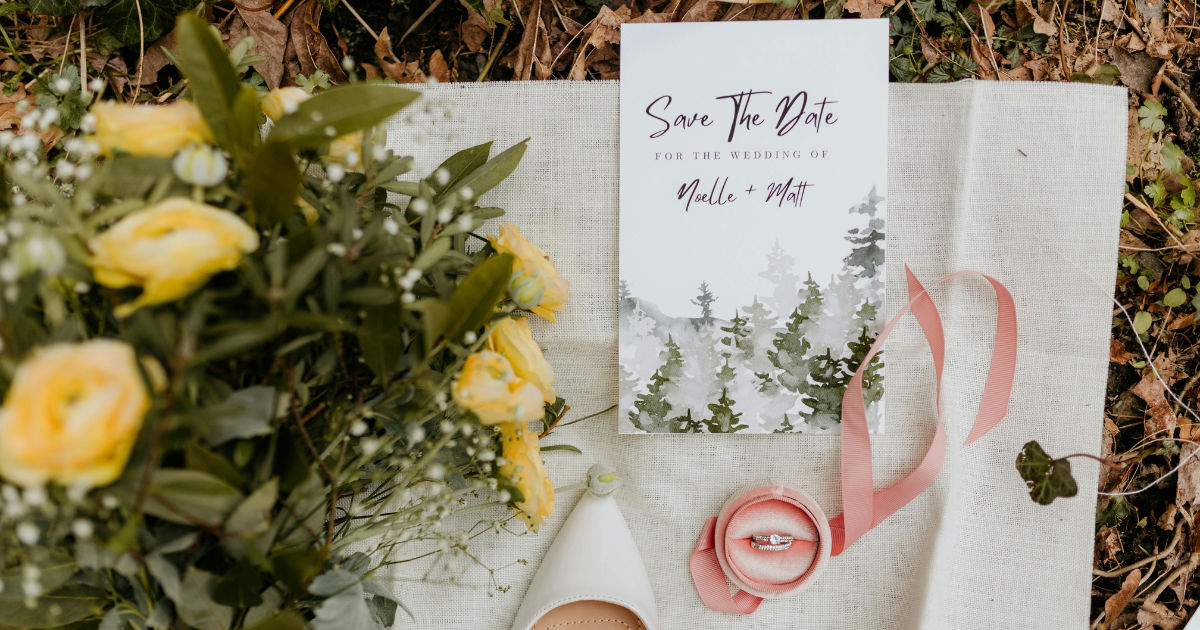
Understanding what guests look for can help you create a shadi card that communicates all the necessary information clearly and beautifully.
A well-prepared Barat card ensures that your guests arrive on time, dress appropriately, and feel welcomed.
In this comprehensive guide, we will explore the details that matter most on a Barat card and explain why these elements are essential for a smooth and memorable wedding celebration.
Understanding the Barat Card
The Barat card is an invitation specifically for the groom’s wedding procession, or "Barat," in many South Asian cultures. It is a part of the larger set of wedding invitations and often has a distinct style and content. While modern weddings sometimes combine all events on a single card, traditional Barat cards highlight the groom’s side of the ceremony and provide guests with critical information.
A Barat card usually contains the names of the bride and groom, the date and time of the Barat, venue details, and sometimes dress code information. Although design elements like floral patterns, gold foiling, and embossing attract attention, guests prioritize information that helps them plan their attendance.
The Importance of Clear Details on a Shadi Card
Guests often receive multiple invitations at the same time. If a Barat card is unclear or missing essential details, it can cause confusion, late arrivals, or even missed events. A shadi card should be both visually appealing and functional.
Clear details on a shadi card show respect for your guests’ time and make them feel included. They also reduce stress for the hosts, as fewer guests will need to call or message for clarification. Therefore, designing your Barat card with clarity and guest convenience in mind is just as important as choosing the right colors or patterns.
Key Details Guests Look for First on a Barat Card
Names of the Bride and Groom
The first thing most guests notice on a Barat card is the names of the bride and groom. This is especially important when families have multiple weddings or if guests are distant relatives or acquaintances. Guests want to quickly confirm which wedding they are invited to.
-
Use clear, bold fonts for the names.
-
Highlight titles or familial relationships if necessary, e.g., “Daughter of Mr. and Mrs. Ahmed” or “Son of Mr. and Mrs. Khan.”
-
Avoid excessive decorations around names that might make them hard to read.
Date of the Barat
The date is one of the most crucial pieces of information on any shadi card. Guests plan their schedules, travel, and accommodation based on this.
-
Use the full date, including day, month, and year.
-
Avoid abbreviations like “Jan” or “Feb,” as they may confuse older guests.
-
If your wedding has multiple events, specify clearly that this date is for the Barat.
Time of Arrival
Along with the date, the time is critical. Guests often check this first because it determines when they need to leave for the venue. A late arrival can disrupt the flow of the Barat, especially if traditional rituals are planned.
-
Mention both the starting time and expected end time if possible.
-
Include guidance on when guests should ideally arrive, e.g., “Guests are requested to arrive by 6:30 PM.”
-
Consider specifying whether the time is in the evening or morning clearly.
Venue Address
Once guests know who and when, they immediately check the venue. A clear, detailed address prevents confusion, missed events, or last-minute calls for directions.
-
Provide the full address, including building name, street, city, and postal code.
-
Mention landmarks if the venue is difficult to locate.
-
For large wedding venues, specify the hall or section where the Barat will take place.
RSVP Information
Many guests look for RSVP details right away. This helps both the couple and the families estimate attendance and plan seating, catering, and transportation.
-
Include a phone number, email, or both for responses.
-
Mention the RSVP deadline clearly.
-
Make it easy for guests to confirm attendance with a simple message or call.
Dress Code or Theme
While not mandatory, many Barat cards now include dress codes or themes. Guests often check this detail early to prepare outfits that match the event’s style.
-
Specify colors, traditional attire, or formal/informal dress expectations.
-
If the event has a specific theme, explain it briefly on the card.
-
Include tips for attire comfort if the event is outdoors or during specific weather conditions.
Special Instructions
Some guests scan the Barat card for extra information, such as parking availability, transportation arrangements, or seating rules. Including these details shows consideration for guests and reduces confusion.
-
Mention if valet service is available.
-
Provide notes about children or elderly attendees if applicable.
-
Include warnings about restricted areas or any cultural sensitivities.
Design Considerations That Affect Guest Attention
While content is vital, the design of a shadi card affects what guests notice first. A poorly designed card may obscure important details, while a thoughtful design can guide the reader’s attention.
Font and Typography
-
Use legible fonts for critical information like names, dates, and venue.
-
Avoid overly decorative fonts for the main details.
-
Maintain a good balance between headings and body text.
Color Contrast
-
Ensure text contrasts well with the background for readability.
-
Light-colored fonts on light backgrounds or dark fonts on dark backgrounds can make information hard to read.
-
Complementary colors also enhance visual appeal without compromising clarity.
Layout and Hierarchy
-
Organize content logically: names → date → time → venue → RSVP → special instructions.
-
Use spacing, bolding, or borders to separate sections.
-
Avoid clutter by limiting excessive graphics or patterns around key information.
Imagery and Decoration
-
Subtle design elements like floral motifs, gold foiling, or borders can enhance beauty.
-
Avoid overpowering designs that distract from the main content.
-
Decorative symbols for events like Mehndi, Barat, or Walima can help guests quickly identify the card type.
Digital Considerations for Barat Cards
In addition to printed shadi cards, many families now share digital invitations via WhatsApp, email, or social media. Guests often scan digital cards faster than physical ones, so clarity remains critical.
-
Optimize font size for screens to ensure readability.
-
Ensure images and details are not compressed or blurred.
-
Include clickable links for venue maps, RSVP, or gift registries.
Common Mistakes on Barat Cards
Overcrowding Information
Some cards attempt to include too much information in a small space. This overwhelms guests and can cause important details to be overlooked.
-
Keep text concise and organized.
-
Use separate inserts or digital links for additional details like pre-wedding events.
Ambiguous Time or Venue
Vague references like “evening” or “near Main Market” are confusing. Guests prefer exact times and addresses.
-
Always provide complete details.
-
Consider including landmarks or directions if necessary.
Ignoring RSVP Instructions
Failing to mention RSVP clearly can result in unpredictable attendance, which affects catering and seating.
-
Highlight RSVP prominently.
-
Include multiple response options for convenience.
Overdecorated Fonts
While artistic fonts look beautiful, they can obscure key information. Guests should not struggle to identify the date or venue.
-
Use decorative fonts sparingly.
-
Reserve bold, artistic styles for names or headings, not essential details.
How Guests Typically Read a Barat Card
Understanding how guests read a shadi card helps in designing it effectively. Most guests follow a natural scanning pattern:
-
Names of the Bride and Groom – immediate confirmation of the event.
-
Date – to plan attendance.
-
Time – to schedule arrival.
-
Venue – for navigation.
-
RSVP – for confirming attendance.
-
Additional Instructions – dress code, parking, or other notes.
By structuring your Barat card according to this reading pattern, you ensure that guests quickly find the information they need without frustration.
Tips for Creating the Perfect Barat Card
-
Start with a checklist: Include all essential details before worrying about design.
-
Prioritize readability: Names, date, time, and venue should stand out.
-
Keep a balance between elegance and clarity: Design should enhance, not obscure, information.
-
Seek feedback: Share a draft with a few family members or friends to ensure clarity.
-
Use inserts or digital links: For long directions, gift registry, or pre-wedding events.
-
Proofread carefully: Even a small typo in date or address can create chaos.
Conclusion
The Barat card is the first impression of a wedding for your guests. While design and aesthetics are important, the details that guests look for first—names, date, time, venue, RSVP, and dress code—are crucial for smooth attendance. By organizing the content clearly, choosing readable fonts, and maintaining a logical hierarchy, you ensure that your shadi card communicates all essential information effectively.
Remember, a well-prepared Barat card is more than an invitation—it is a guide that makes your guests feel informed, respected, and excited to attend your wedding. Investing time in designing a clear and elegant shadi card pays off in reducing confusion and creating a memorable experience for everyone involved.
With these insights, couples can design Barat cards that are both beautiful and functional, ensuring that guests receive all the information they need at a glance. Clear communication on the shadi card reflects thoughtfulness and sets the tone for a joyful, well-organized celebration.