
Creating a conducive learning environment is crucial for any educational setting, and this is especially true for a Quran classroom led by a Female Quran teacher.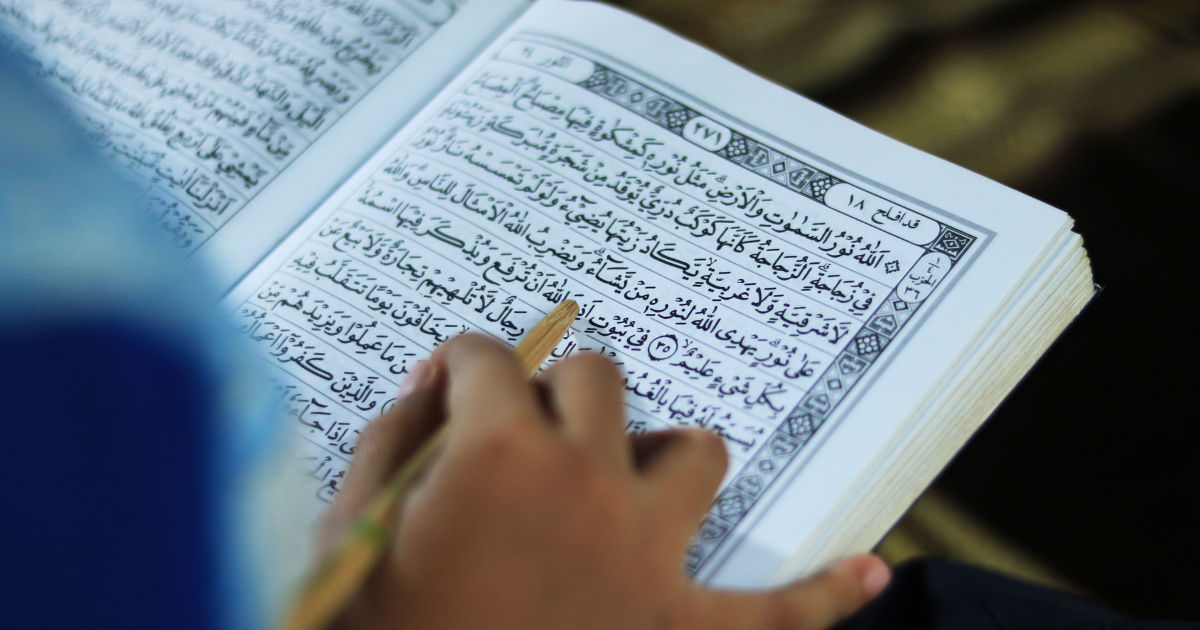
The environment in which students learn not only affects their comprehension but also shapes their enthusiasm, behavior, and respect for the teachings. Setting up a classroom thoughtfully ensures that learning becomes an immersive, comfortable, and spiritually enriching experience.
Whether you are a Female Quran teacher planning your own classroom for the first time or are looking to improve an existing setup, this guide provides practical tips for creating an effective, organized, and inviting learning space.
Understanding the Needs of a Quran Classroom
Before setting up the classroom, it is important to understand the specific needs of a Quran learning environment. Unlike regular subjects, Quran teaching involves:
-
Focus on recitation and memorization
-
Respectful, quiet, and spiritually aware atmosphere
-
Engagement of students with varying learning abilities
-
Use of specialized tools like Mushaf (Quran books), digital apps, and recitation aids
A Female Quran teacher must balance these needs with practical classroom arrangements to ensure the learning process is smooth, interactive, and respectful.
Choosing the Right Classroom Space
The first step is selecting the appropriate classroom space. The right space can greatly impact learning outcomes.
Quiet and Peaceful Environment
Quranic studies require concentration. Therefore, the classroom should be in a quiet area away from noise, distractions, and heavy foot traffic. A calm environment helps students focus on pronunciation, memorization, and understanding.
Adequate Lighting and Ventilation
Lighting plays a critical role in reading and writing. A classroom should ideally have natural light during the day, complemented by soft artificial lighting to prevent eye strain. Proper ventilation ensures comfort, preventing drowsiness and maintaining student alertness.
Spacious Layout
Students need space to sit comfortably, especially if they are reading from Mushaf or taking notes. A spacious classroom prevents overcrowding, encourages interaction, and allows the Female Quran teacher to move around and assist students easily.
Organizing Seating Arrangements
Seating arrangements can significantly impact engagement and discipline.
Circular or Semi-Circular Seating
A circular or semi-circular arrangement promotes interaction and allows students to see both the Female Quran teacher and their classmates. This setup is ideal for recitation practice, group learning, and discussions about Quranic teachings.
Individual Desks for Older Students
For older students who take notes or have their own Quran copies, individual desks are beneficial. They provide personal space, reduce distractions, and help maintain proper posture during reading.
Floor Seating for Younger Students
Younger learners often feel more comfortable sitting on mats or carpets. This arrangement is culturally relevant in many Quranic schools and encourages a close, communal learning atmosphere.
Essential Classroom Materials
A Female Quran teacher should ensure that all necessary materials are available and well-organized.
Quran Copies
Provide Mushaf for each student. Ideally, have copies in different sizes to accommodate reading preferences. Color-coded pages or sections can help younger students track their progress.
Teaching Aids
Teaching aids like charts, digital devices, whiteboards, and flashcards enhance understanding. For instance, charts showing Tajweed rules or Arabic letters can be helpful visual guides.
Stationery Supplies
Pens, notebooks, markers, and erasers should be readily available. Organized storage ensures students do not waste time searching for supplies, allowing the Female Quran teacher to maintain focus on teaching.
Implementing a Structured Learning Schedule
Structure is key in Quran education. A clear, consistent schedule helps students manage their learning and ensures that the Female Quran teacher covers all necessary topics effectively.
Balanced Recitation and Memorization Sessions
Allocate time for both recitation and memorization. Recitation practice helps improve pronunciation and fluency, while memorization strengthens retention and spiritual connection.
Short Breaks for Younger Students
Younger students have shorter attention spans. Plan short breaks to allow them to refresh their minds and maintain engagement throughout the session.
Periodic Assessments
Regular assessments help track progress. A Female Quran teacher can conduct oral tests, written quizzes, or group recitation sessions to evaluate comprehension and memorization.
Maintaining a Clean and Organized Classroom
Cleanliness reflects respect for the Quran and creates a comfortable environment for learning.
Daily Cleaning Routine
Sweep and dust the classroom daily. Ensure Quran copies, teaching materials, and stationery are neat and properly stored. A tidy classroom reduces distractions and promotes discipline.
Personal Storage for Students
Provide shelves or cubbies for student belongings. This ensures that bags, jackets, and personal items do not clutter the learning space.
Comfortable Reading Area
Designate a quiet reading corner for students who want extra practice. Include cushions or chairs, proper lighting, and accessible Quran copies.
Incorporating Technology in the Classroom
Technology can enhance learning when used appropriately.
Digital Tajweed Tools
Apps and online resources can help students learn Tajweed rules more effectively. The Female Quran teacher can demonstrate proper pronunciation using audio-visual aids.
Interactive Whiteboards
Interactive boards allow teachers to write Arabic letters, display Tajweed rules, or illustrate Quranic stories visually. Visual aids help students retain information better.
Audio Devices for Listening Practice
Listening to proficient recitations improves fluency and pronunciation. Students can practice along with audio recordings while the Female Quran teacher monitors their progress.
Promoting a Positive Classroom Atmosphere
The classroom environment should be welcoming, respectful, and spiritually uplifting.
Encouraging Respect and Discipline
Students should understand the importance of maintaining decorum during Quran lessons. The Female Quran teacher can establish classroom rules emphasizing respect, attentiveness, and kindness.
Reward and Recognition System
Reward systems motivate students. Simple incentives like certificates, stickers, or verbal praise can encourage consistent effort in memorization and recitation.
Open Communication
Encourage students to ask questions and clarify doubts. The Female Quran teacher should foster a safe space where students feel comfortable expressing themselves without fear of judgment.
Classroom Decor and Ambience
Decor can play a subtle but significant role in setting the tone for learning.
Inspirational Quotes and Verses
Display selected Quranic verses and motivational Islamic quotes on walls. This reminds students of the spiritual purpose behind their learning.
Color Scheme
Choose calming colors like soft blues, greens, or pastels. These colors reduce stress and create a serene learning environment.
Plants and Natural Elements
Adding small indoor plants can improve air quality and create a peaceful ambiance. Nature elements promote mindfulness and calmness during lessons.
Managing Diverse Learning Needs
Each student learns differently. A Female Quran teacher must adopt strategies to cater to varying abilities.
Differentiated Instruction
Adapt lessons to meet the needs of different learners. Some may require more repetition for memorization, while others may excel with visual aids.
Peer Learning and Group Work
Pairing advanced students with beginners can foster collaboration. Peer learning encourages responsibility, empathy, and cooperative learning.
One-on-One Support
Allocate time for individual guidance. Personalized attention helps struggling students improve recitation, Tajweed, and comprehension.
Ensuring Safety and Comfort
Student safety is paramount. The classroom must be secure, especially for younger learners.
Fire Safety and Emergency Exits
Ensure the classroom has clear pathways, accessible emergency exits, and basic safety equipment. Conduct safety drills if necessary.
Comfortable Furniture
Provide chairs and desks that support correct posture. Floor seating for younger students should include cushions or mats for comfort.
Clean Air and Hygiene
Maintain good air circulation and provide hand sanitizers. Encourage students to keep their hands and surroundings clean, fostering a healthy environment.
Encouraging Spiritual Engagement
Beyond academics, the Quran classroom is a space for spiritual growth.
Incorporating Duas and Supplications
Start and end each session with relevant duas. This nurtures mindfulness and spiritual connection among students.
Reflective Discussions
Encourage students to discuss the meanings and morals behind Quranic stories. Reflective discussions promote understanding and ethical development.
Integrating Recitation Practice
Regular recitation fosters discipline, pronunciation skills, and emotional connection to the Quran. A Female Quran teacher should provide guidance and model proper recitation.
Classroom Management Tips for a Female Quran Teacher
Effective classroom management ensures smooth functioning and enhances learning outcomes.
Set Clear Expectations
Clearly define behavioral expectations, class routines, and academic goals. Students perform better when they understand the rules and consequences.
Positive Reinforcement
Praise good behavior and effort consistently. Positive reinforcement encourages repetition of desirable behaviors.
Address Disruptions Calmly
Handle misbehavior with patience. The Female Quran teacher should maintain authority while nurturing a respectful and understanding atmosphere.
Continuous Professional Development
Stay updated with modern teaching methods, Tajweed techniques, and educational psychology. A knowledgeable teacher can adapt and improve classroom effectiveness.
Conclusion
A successful Quran classroom requires thoughtful planning, organization, and a focus on both academic and spiritual growth. A Female Quran teacher plays a pivotal role in shaping students’ experiences and instilling a lifelong love for the Quran. By creating a calm, organized, and engaging learning environment, providing the right resources, embracing technology, and understanding diverse learning needs, the classroom becomes a space where students can thrive academically, morally, and spiritually.
Investing in classroom setup is an investment in students’ futures. Every element—from seating arrangements and lighting to teaching aids and decor—contributes to creating a meaningful learning experience. A Female Quran teacher who implements these strategies ensures that her students not only memorize and understand the Quran but also develop a deep, lasting connection with its teachings.