
Silica Gel Beads are small, lightweight, and powerful drying agents that play a major role in protecting products from moisture damage. You may have seen these tiny beads inside small paper packets placed in shoe boxes, medicine bottles, electronics packaging, or food containers.
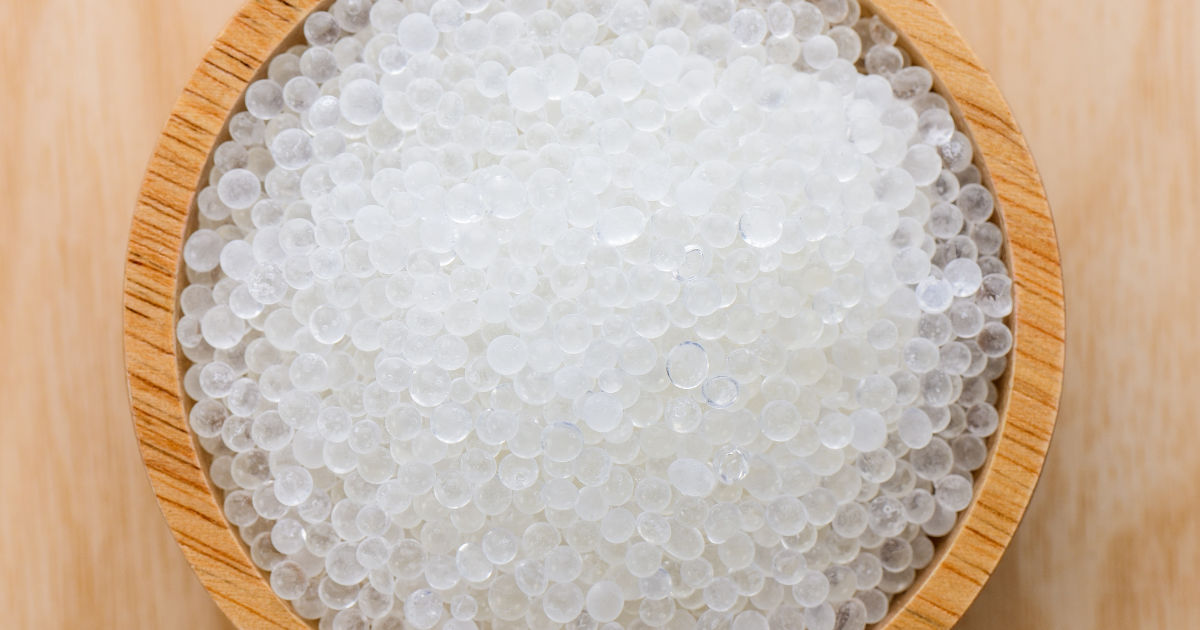
Although they look simple, Silica Gel Beads work using a fascinating scientific process that makes them extremely effective at absorbing moisture from the surrounding air.
In today’s world, moisture control is very important. Excess humidity can damage electronics, spoil food, cause mold growth, rust metals, and reduce the shelf life of many products. This is where Silica Gel Beads become highly useful. They help keep items dry, safe, and usable for a longer time by controlling moisture levels efficiently.
This comprehensive guide explains in detail how Silica Gel Beads help in drying, how they work, where they are used, and why they are trusted across many industries. The content is written in clear language, short paragraphs, and simple explanations suitable for a 12th-grade audience.
What Are Silica Gel Beads?
Silica Gel Beads are small, round, porous beads made from silicon dioxide. Silicon dioxide is a natural compound commonly found in sand, quartz, and rocks. Through a controlled manufacturing process, this compound is transformed into tiny beads with millions of microscopic pores.
These pores give Silica Gel Beads a very large surface area. Because of this large surface area, the beads can attract and hold a significant amount of moisture compared to their size. This is the key reason why Silica Gel Beads are widely used for drying purposes.
Despite the name, silica gel is not a liquid gel. It is a solid material that feels hard and dry. The term “gel” refers to its porous structure, not its physical texture.
The Science Behind Silica Gel Beads
To understand how Silica Gel Beads help in drying, it is important to know how moisture behaves in the air. Air always contains some amount of water vapor. When humidity levels rise, this moisture can settle on surfaces, causing dampness, corrosion, or mold.
Silica Gel Beads work through a process called adsorption. Adsorption is different from absorption. In absorption, a substance dissolves into another material. In adsorption, moisture sticks to the surface of a material.
The surface of Silica Gel Beads attracts water molecules and holds them within its tiny pores. As the surrounding air loses moisture, the environment becomes drier. This process continues until the beads reach their maximum moisture-holding capacity.
Adsorption vs Absorption Explained Simply
Many people confuse adsorption with absorption. Silica Gel Beads rely on adsorption, which is why they are so effective.
In absorption, like a sponge soaking up water, the liquid goes inside the material and changes its structure. In adsorption, water molecules stick to the surface of the material without changing its form.
Silica Gel Beads have billions of microscopic pores that act like tiny magnets for water vapor. These pores trap moisture on their surfaces, keeping the surrounding area dry without dissolving or breaking down.
Why Silica Gel Beads Are Excellent Drying Agents
Silica Gel Beads are considered excellent drying agents because of several important properties.
First, they have a very high surface area. Just a small packet of Silica Gel Beads can absorb a surprising amount of moisture.
Second, they are chemically stable. Silica Gel Beads do not react with most substances, making them safe for use around food, medicine, electronics, and clothing.
Third, they are reusable. Once saturated with moisture, Silica Gel Beads can often be dried out and reused by heating them under controlled conditions.
These features make Silica Gel Beads more reliable and long-lasting compared to many other drying materials.
How Silica Gel Beads Help in Drying Step by Step
The drying process using Silica Gel Beads happens gradually and efficiently.
First, the beads are placed in a closed or semi-closed space, such as a box, container, or storage area.
Second, moisture present in the air starts moving toward the beads due to natural air circulation.
Third, water molecules stick to the surface of the Silica Gel Beads through adsorption.
Fourth, as moisture is removed from the air, the environment becomes dry and stable.
This process continues until either the beads are saturated or the moisture level in the air is very low.
Role of Porosity in Silica Gel Beads
Porosity is one of the most important features of Silica Gel Beads. Porosity refers to the presence of tiny holes or pores within a material.
Silica Gel Beads are highly porous, meaning they contain countless microscopic pores. These pores dramatically increase the surface area available for moisture adsorption.
Because of this structure, Silica Gel Beads can adsorb up to 40% of their own weight in moisture under certain conditions. This makes them extremely efficient at drying air and preventing moisture damage.
Types of Silica Gel Beads
There are different types of Silica Gel Beads designed for specific drying needs.
White Silica Gel Beads are the most common type. They are odorless, non-toxic, and widely used in packaging.
Indicating Silica Gel Beads change color when they absorb moisture. This helps users know when the beads are saturated and need to be replaced or regenerated.
Blue or orange indicating beads are often used in industrial and laboratory settings where moisture monitoring is important.
Each type of Silica Gel Beads serves the same basic drying function but offers additional convenience depending on the application.
How Silica Gel Beads Control Humidity
Humidity control is essential in many environments. High humidity can cause damage even if there is no visible water.
Silica Gel Beads help control humidity by continuously removing water vapor from the air. As moisture levels rise, the beads respond by adsorbing more water molecules.
This makes Silica Gel Beads ideal for enclosed spaces where ventilation is limited, such as storage boxes, cabinets, and shipping containers.
By maintaining stable humidity levels, Silica Gel Beads protect sensitive items from moisture-related problems.
Use of Silica Gel Beads in Packaging
Packaging is one of the most common uses of Silica Gel Beads. During shipping and storage, products are exposed to changing temperatures and humidity levels.
Silica Gel Beads inside packaging help prevent moisture buildup that can damage goods. Electronics are protected from corrosion. Shoes and clothes stay fresh and mold-free. Medicines remain effective and safe.
Because Silica Gel Beads are lightweight and inexpensive, they are an efficient solution for large-scale packaging needs.
Silica Gel Beads in Electronics Protection
Electronics are extremely sensitive to moisture. Even small amounts of humidity can cause short circuits, rust, or internal damage.
Silica Gel Beads are often included in electronic packaging to keep components dry during transport and storage. They help prevent condensation that may form due to temperature changes.
In some cases, Silica Gel Beads are also used to dry electronics that have been exposed to moisture, such as after accidental water contact.
Role of Silica Gel Beads in Food Storage
Food products can spoil quickly when exposed to moisture. Excess humidity can lead to mold growth, clumping, and loss of freshness.
Silica Gel Beads help maintain dryness in food packaging by absorbing moisture from the air inside the container. This extends shelf life and preserves quality.
Food-grade Silica Gel Beads are specially designed to be safe for use around edible products. They do not touch the food directly but work by controlling the surrounding humidity.
Medical and Pharmaceutical Uses
In the medical and pharmaceutical fields, moisture control is critical. Medicines can lose their effectiveness if exposed to humidity.
Silica Gel Beads are commonly found in pill bottles and medical packaging. They help maintain a dry environment, ensuring that medications remain stable and effective.
Their reliability and safety make Silica Gel Beads an essential part of pharmaceutical storage and distribution.
Industrial Applications of Silica Gel Beads
Industries rely heavily on Silica Gel Beads for moisture control in manufacturing, storage, and transportation.
They are used in compressed air systems, transformers, machinery, and chemical storage units. In these settings, moisture can cause serious operational issues.
Silica Gel Beads help protect equipment, reduce maintenance costs, and improve overall efficiency.
Reusability and Regeneration of Silica Gel Beads
One of the major advantages of Silica Gel Beads is their reusability. Once the beads become saturated with moisture, they can often be regenerated.
Regeneration involves heating the Silica Gel Beads to remove the trapped moisture. This restores their drying ability and allows them to be reused multiple times.
This feature makes Silica Gel Beads both cost-effective and environmentally friendly.
Safety and Environmental Impact
Silica Gel Beads are generally safe to use when handled properly. They are non-toxic and chemically inert.
However, they should not be eaten, as they can cause choking hazards. This is why packets are clearly labeled with warnings.
From an environmental perspective, Silica Gel Beads are reusable and long-lasting, which reduces waste compared to disposable drying agents.
Comparison with Other Drying Agents
There are other drying agents available, such as clay desiccants and calcium chloride. However, Silica Gel Beads offer several advantages.
They have a higher moisture adsorption capacity, better stability, and greater reusability. They also perform well over a wide range of temperatures.
These qualities make Silica Gel Beads a preferred choice in many applications.
Limitations of Silica Gel Beads
While Silica Gel Beads are highly effective, they do have some limitations.
They work best in enclosed or semi-enclosed spaces. In open areas with constant airflow, their effectiveness is reduced.
They also need to be monitored and replaced or regenerated once saturated. Despite these limitations, Silica Gel Beads remain one of the most reliable drying solutions available.
Future Uses and Innovations
As technology advances, new uses for Silica Gel Beads continue to emerge. Improved bead designs and environmentally friendly indicators are being developed.
Researchers are also exploring ways to enhance moisture adsorption efficiency and expand applications in renewable energy and smart packaging.
The future of Silica Gel Beads looks promising as demand for moisture control continues to grow.
Conclusion
Silica Gel Beads play a vital role in drying by effectively controlling moisture through adsorption. Their porous structure, high surface area, and chemical stability make them one of the most efficient drying agents available today. From packaging and electronics to food storage and medical applications, Silica Gel Beads provide reliable protection against moisture damage.
By understanding how Silica Gel Beads help in drying, we can better appreciate their importance in everyday life and industrial processes. Their reusability, safety, and versatility make them a trusted solution for moisture control across the world. Whether protecting delicate electronics or preserving essential medicines, Silica Gel Beads continue to prove their value as powerful and dependable drying agents.