
Pakistani Fashion is celebrated around the world for its vibrant colors, intricate designs, and exquisite embroidery, and you can explore the latest trends at nani je.
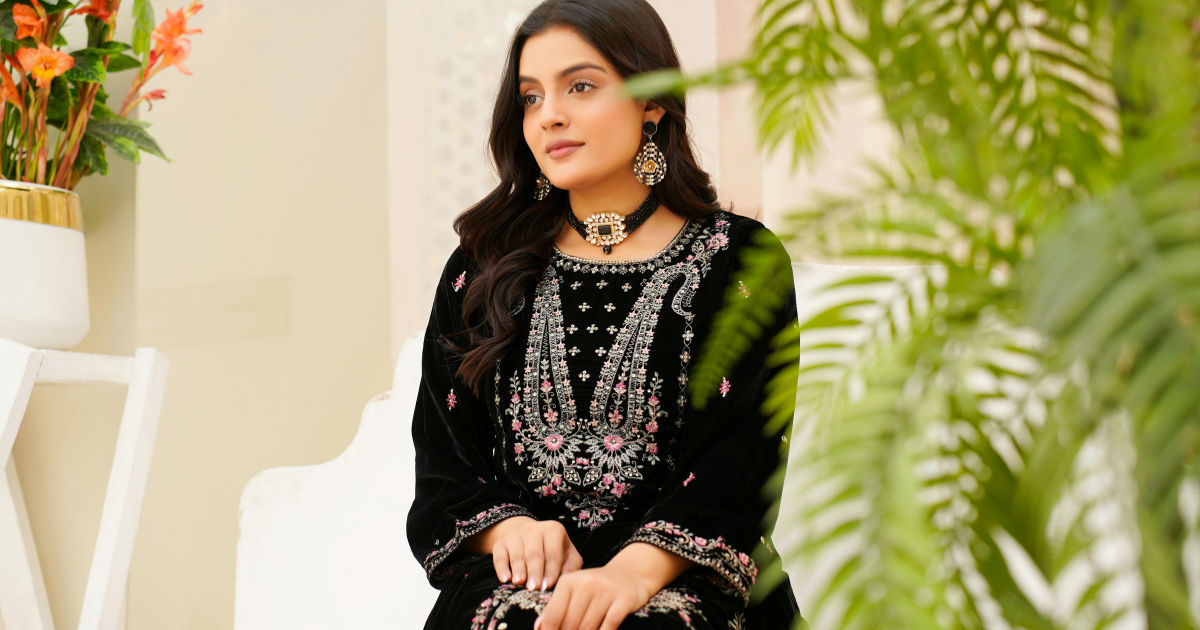
From traditional shalwar kameez to elegant lehengas, embroidered clothing is a symbol of craftsmanship and cultural heritage.
These garments are not only beautiful but also delicate, and proper care is essential to maintain their charm and longevity. Whether you have heirloom pieces or recently purchased outfits, knowing how to care for Pakistani embroidered clothes ensures that they remain as stunning as the day you acquired them.
In this comprehensive guide, we will explore all aspects of caring for Pakistani embroidered clothes, including washing, storing, handling stains, and maintaining embellishments. By following these tips, you can enjoy your wardrobe for years to come.
Pakistani Embroidery
Before diving into care tips, it’s essential to understand the types of embroidery used in Pakistani Fashion. Each type requires a slightly different approach to maintenance. Some common embroidery techniques include:
1. Zardozi
Zardozi is a luxurious form of embroidery using metallic threads and sometimes studded with sequins, beads, or stones. It is often used in bridal and formal wear.
2. Resham Work
Resham work involves the use of silk threads to create delicate and colorful patterns. It is light and elegant but can be delicate if not handled carefully.
3. Mirror Work
Mirror work involves small reflective pieces stitched onto the fabric. While it adds sparkle and charm, mirrors can be fragile and may loosen with rough handling.
4. Thread and Cutwork
These are intricate patterns created by carefully cutting and stitching the fabric. Such pieces need careful washing to prevent fraying.
Understanding the type of embroidery on your garment will help you choose the best care method and prevent accidental damage.
Washing Pakistani Embroidered Clothes
The washing process is critical when it comes to preserving the beauty of Pakistani embroidered clothes. Improper washing can damage threads, stones, and delicate fabrics. Here’s a step-by-step guide:
1. Read the Care Label
Always check the garment’s care label. Labels provide specific instructions regarding water temperature, suitable detergents, and whether the garment can be machine-washed or requires hand washing.
2. Hand Washing vs. Machine Washing
-
Hand Washing: Hand washing is the safest method for embroidered clothes. Use cold water and a mild detergent. Gently swirl the garment in water without scrubbing or wringing.
-
Machine Washing: If you must use a machine, select the delicate cycle and place the garment in a mesh laundry bag to protect embroidery and embellishments.
3. Choosing the Right Detergent
Use a mild, non-bleaching detergent to prevent discoloration or weakening of threads. Avoid harsh chemicals, as they can damage both fabric and embroidery.
4. Water Temperature
Always use cold or lukewarm water. Hot water can shrink the fabric, fade colors, and loosen embroidery threads.
Drying and Ironing Embroidered Clothes
Proper drying and ironing are essential to prevent damage and maintain the garment’s original shape.
1. Drying Techniques
-
Avoid Sunlight: Direct sunlight can fade colors and weaken threads. Dry your embroidered clothes in the shade or indoors.
-
Flat Drying: Lay the garment flat on a clean, dry towel to avoid stretching or pulling on embroidery. Hanging heavy embroidered clothes may distort their shape.
2. Ironing Tips
-
Use Low Heat: High heat can melt embellishments like sequins or beads.
-
Iron Inside Out: To protect embroidery, always iron the reverse side of the garment.
-
Use a Pressing Cloth: A thin cloth between the iron and the fabric adds extra protection.
-
Avoid Steam on Metallic Embroidery: Metallic threads can tarnish with excessive steam.
Storing Pakistani Embroidered Clothes
Proper storage is just as important as washing and ironing. Pakistani Fashion pieces are often made from delicate fabrics like chiffon, silk, and organza, which need careful handling.
1. Folding vs. Hanging
-
Folding: For heavily embroidered outfits, folding is preferable to prevent stretching. Place tissue paper between folds to avoid creasing.
-
Hanging: Lighter fabrics can be hung on padded hangers to maintain their shape. Avoid wire hangers as they may leave marks.
2. Protection from Dust and Moisture
-
Garment Bags: Use breathable garment bags to protect from dust. Avoid plastic bags that trap moisture and cause mildew.
-
Silica Packs: Place silica gel packets in storage areas to reduce humidity and prevent mold.
3. Preventing Color Transfer
Keep embroidered clothes separate from dark-colored garments to avoid color bleeding. Especially for new outfits, wash them separately the first few times.
Handling Stains and Spills
Accidental stains can happen even to the most careful wearer. Quick and correct treatment is vital for preserving embroidered clothes.
1. Act Quickly
Blot the stain gently with a clean cloth to remove excess liquid. Avoid rubbing, as it can push the stain deeper and damage embroidery threads.
2. Spot Cleaning
-
Use mild detergent or a mixture of water and vinegar for light stains.
-
For delicate embroidery, use a cotton swab to apply the cleaning solution, working from the edges of the stain toward the center.
-
Avoid harsh chemicals like bleach on colored embroidery.
3. Professional Cleaning
For tough stains or heavily embellished garments, it’s best to consult a professional dry cleaner experienced in Pakistani Fashion. They have the tools and knowledge to clean delicate embroidery without causing damage.
Preventing Damage to Embellishments
Embellishments like beads, sequins, and mirrors are prone to loosening over time. Taking proactive steps can extend their life.
1. Minimal Friction
Avoid wearing embroidered clothes in situations where the fabric will rub against rough surfaces. Friction can lead to thread breakage and loosening of embellishments.
2. Secure Loose Threads
Inspect your garments regularly. If you notice loose threads or beads, carefully secure them with a needle and matching thread. Avoid pulling them forcefully.
3. Avoid Heavy Accessories
Heavy jewelry or handbags can snag delicate embroidery. Coordinate accessories to minimize stress on the fabric.
Special Care for Different Fabrics
Pakistani embroidered clothes come in various fabrics, each requiring unique attention.
1. Silk
Silk is delicate and prone to water spots. Hand wash in cold water or dry clean. Iron on low heat with a pressing cloth.
2. Chiffon and Georgette
These fabrics are lightweight and easily snagged. Hand wash gently and dry flat. Avoid heavy embroidery that can stretch the fabric.
3. Cotton and Lawn
Cotton is more durable but can shrink if washed in hot water. Use mild detergent and avoid excessive wringing.
4. Velvet
Velvet is plush and rich but attracts dust and lint. Dry cleaning is recommended. Store carefully to prevent crushing the pile.
Travel Tips for Embroidered Outfits
If you plan to travel with your embroidered clothes, extra precautions are necessary to keep them pristine.
-
Use Garment Bags: Pack delicate outfits in padded garment bags.
-
Avoid Overpacking: Overcrowding can crush embroidery and embellishments.
-
Roll Light Fabrics: Roll chiffon or georgette outfits to minimize creases.
-
Separate Shoes and Accessories: Place heavy items away from delicate garments to prevent snagging.
Maintaining Pakistani Fashion for Long-Term Wear
Regular care ensures your embroidered garments retain their beauty for years. Here are some long-term maintenance tips:
1. Rotate Your Wardrobe
Avoid wearing the same embroidered piece frequently. Rotation reduces wear and tear and prevents fabric from losing shape.
2. Regular Inspection
Check embroidery for loose threads, missing beads, or discoloration. Early detection allows for quick fixes before permanent damage occurs.
3. Professional Maintenance
Schedule periodic professional cleaning for heavily embellished or heirloom pieces. Experts can handle delicate fabrics and embroidery that may be too fragile for home care.
DIY Tips for Enhancing Embroidery Longevity
There are a few simple practices you can adopt at home to maintain your embroidered garments:
-
Steam Instead of Ironing: Use a handheld steamer for delicate fabrics to remove wrinkles without direct contact.
-
Use Fabric Softener Sparingly: Excess softener can weaken delicate threads over time.
-
Rotate Hangers: For hanging clothes, rotate outfits occasionally to prevent stretching at specific points.
Conclusion
Caring for Pakistani embroidered clothes requires attention, patience, and the right techniques. From understanding embroidery types to washing, drying, storing, and handling stains, every step plays a crucial role in preserving the beauty of your garments. Pakistani Fashion is more than clothing; it is a representation of culture, craftsmanship, and elegance. By following these comprehensive care tips, you ensure that your embroidered outfits continue to shine with vibrant colors and intricate patterns for many years.
Investing time in proper care not only maintains the aesthetic appeal of your clothes but also honors the artistry behind every stitch. Whether it is a formal occasion, wedding, or festive event, your embroidered pieces will always remain a source of pride and style when well cared for. Treat your Pakistani Fashion wardrobe with respect, and it will reward you with timeless beauty and elegance.