
In today’s fast-paced digital world, businesses and developers are constantly looking for ways to communicate efficiently with their users. One of the most effective tools for real-time communication is WhatsApp.
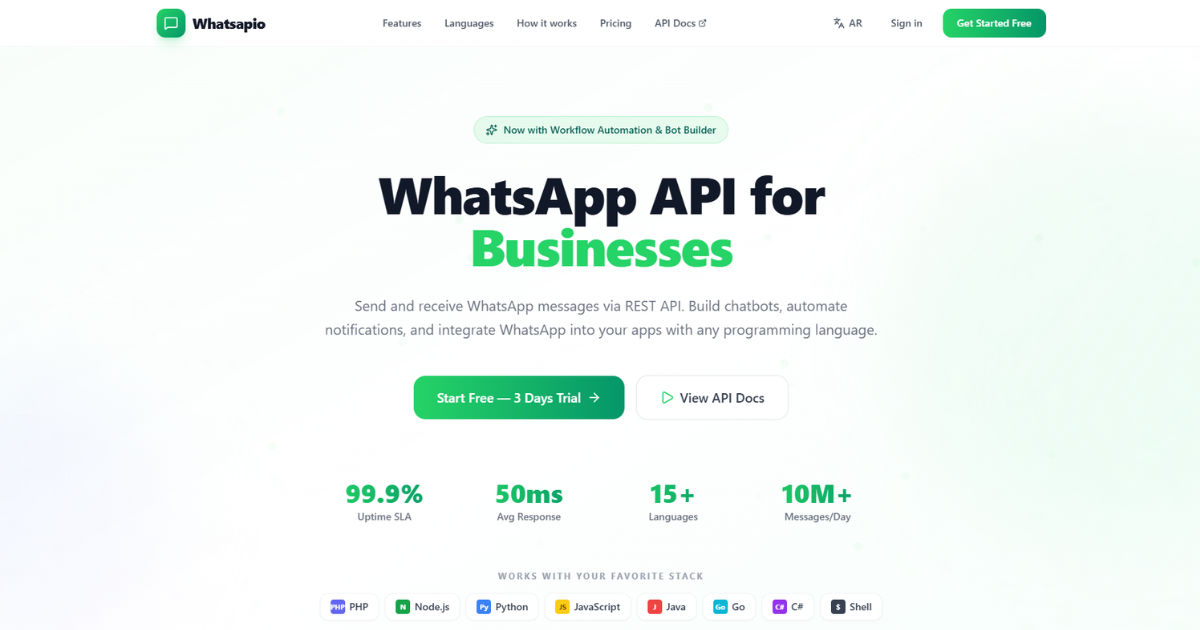 By integrating a whatsapp api provider with your app, you can send notifications, updates, promotional messages, and even customer support responses directly to your users.
This guide will take you through everything you need to know about integrating WhatsApp API providers with apps, from understanding what they are to practical implementation steps.
What is a WhatsApp API Provider?
Before we dive into integration, it’s crucial to understand what a whatsapp api provider is. Essentially, it is a service that allows businesses and developers to use WhatsApp’s messaging features programmatically. Instead of sending messages manually through the WhatsApp app, a provider gives you an API (Application Programming Interface) that lets your application send and receive messages automatically.
The API provider acts as a bridge between WhatsApp’s servers and your app, ensuring smooth communication without violating WhatsApp’s terms of service. Popular providers include Twilio, MessageBird, and Vonage, though there are many others.
Why Integrate WhatsApp API with Your App?
Integrating a whatsapp api provider into your app offers multiple benefits:
- Automated Messaging: Send notifications, alerts, and reminders automatically.
- Customer Support: Respond to customer queries efficiently.
- Marketing Campaigns: Run personalized campaigns to reach your audience directly.
- Global Reach: WhatsApp has over 2 billion users worldwide.
- Secure Communication: Messages are encrypted, ensuring user data safety.
For businesses aiming to improve user engagement, using a whatsapp api provider is no longer optional—it’s becoming a necessity.
Understanding WhatsApp API Limitations
While WhatsApp APIs offer numerous advantages, it’s important to understand their limitations:
- Message Templates: For outbound messages, WhatsApp requires pre-approved message templates for non-transactional communication.
- Pricing: Using a whatsapp api provider may incur costs based on the number of messages sent.
- Verification: Your business account may need to be verified by WhatsApp.
- Rate Limits: Some providers enforce sending limits to prevent spam.
Being aware of these limitations helps you plan your integration effectively and avoid potential issues.
Choosing the Right WhatsApp API Provider
Selecting the right whatsapp api provider is the first step in a successful integration. Here are some factors to consider:
1. Pricing
Different providers have different pricing models. Some charge per message, while others offer subscription-based plans. Evaluate your budget and expected message volume before deciding.
2. API Features
Check if the provider supports features like:
- Message scheduling
- Multimedia messages (images, videos, documents)
- Two-way messaging
- Chatbot integration
The more features they provide, the easier it will be to implement advanced functionalities in your app.
3. Reliability
Choose a provider known for high uptime and fast message delivery. Read reviews and case studies to assess reliability.
4. Support and Documentation
A provider with excellent documentation and support will save you time during integration. Look for detailed API guides, SDKs, and sample code.
5. Compliance
Ensure the provider follows WhatsApp’s business policies and local regulations, especially regarding data privacy.
Setting Up WhatsApp Business Account
Before you can integrate a whatsapp api provider, you need a WhatsApp Business account. Here’s how:
- Download WhatsApp Business App
Available on Android and iOS. - Create Business Profile
Fill in your business name, address, website, and description. - Verify Your Phone Number
WhatsApp will send a verification code. Enter it to confirm ownership. - Apply for API Access
Some providers may handle this for you, while others may require direct application to WhatsApp.
Having a verified business account is essential, as WhatsApp limits API access to approved businesses.
Steps to Integrate WhatsApp API Provider with Apps
Integration involves connecting your app to the whatsapp api provider using their API. Here’s a step-by-step guide:
1. Obtain API Credentials
After signing up with a provider, you will receive API credentials such as:
- API key
- Access token
- Phone number ID
These credentials are necessary for authentication and secure communication.
2. Choose Your Programming Language
Most API providers support multiple programming languages like Python, JavaScript, PHP, and Java. Choose the language your app uses for backend development.
3. Install SDK or Libraries
Many providers offer SDKs (Software Development Kits) or libraries to simplify integration. For example, in Python, you can install a package using pip:
pip install whatsapp-sdk
Or in Node.js:
npm install whatsapp-sdk
Using an SDK reduces the need to manually handle HTTP requests and JSON formatting.
4. Establish Connection with API
Use the API credentials to connect your app to the provider. Typically, this involves sending authentication headers with every API request. Example in Python:
import requests
url = "https://api.whatsappprovider.com/sendMessage"
headers = {
"Authorization": "Bearer YOUR_ACCESS_TOKEN",
"Content-Type": "application/json"
}
data = {
"to": "+1234567890",
"type": "text",
"text": {
"body": "Hello! This is a test message."
}
}
response = requests.post(url, headers=headers, json=data)
print(response.json())
5. Sending Messages
Once connected, you can send various types of messages:
- Text Messages: Simple messages for notifications or greetings.
- Media Messages: Images, videos, or documents for richer communication.
- Interactive Messages: Buttons or quick replies for better user engagement.
6. Handling Incoming Messages
A good whatsapp api provider also allows you to receive messages. Set up a webhook URL in your app where the provider can send incoming messages. This allows you to handle customer replies programmatically.
7. Testing Your Integration
Before going live, test your integration extensively. Check:
- Message delivery speed
- Handling of failures or errors
- Compatibility with multiple device types
This ensures smooth communication once your app is in production.
Best Practices for WhatsApp API Integration
Successful integration is more than just sending messages. Here are some best practices:
1. Respect User Privacy
Always get user consent before sending messages. Avoid spamming, as it can lead to account suspension.
2. Use Templates Wisely
For non-transactional messages, use WhatsApp-approved templates. Keep them concise, clear, and professional.
3. Monitor Message Analytics
Most whatsapp api providers offer analytics dashboards. Track delivery rates, read rates, and response times to optimize messaging.
4. Secure Your API Keys
Never hardcode API keys in your app’s frontend. Use environment variables or secure vaults.
5. Automate Responsiveness
Integrate chatbots or autoresponders for common queries to save time and improve user experience.
Common Use Cases of WhatsApp API Integration
1. E-Commerce Notifications
Send order confirmations, shipping updates, and payment reminders directly through WhatsApp. This reduces dependence on email and SMS.
2. Customer Support
Automate responses to FAQs and provide live support through the app. Integration allows agents to handle multiple conversations efficiently.
3. Marketing Campaigns
Run campaigns targeting specific user segments. Personalized messages increase engagement and conversions.
4. Appointment Reminders
Healthcare providers, salons, and service-based businesses can send appointment reminders to reduce no-shows.
5. Alerts and Updates
Banks, travel agencies, and utility companies can send real-time alerts about account activity, bookings, or emergencies.
Troubleshooting Common Issues
Even with a good whatsapp api provider, issues can arise. Common problems include:
- Authentication Failures: Double-check your API credentials.
- Message Delivery Errors: Ensure the recipient’s number is valid and WhatsApp active.
- Rate Limits: Reduce the frequency of message sending or request higher limits from your provider.
- Template Rejection: Verify the template matches WhatsApp’s guidelines before submission.
Keeping logs and monitoring your integration helps quickly identify and resolve problems.
Conclusion
Integrating a whatsapp api provider with your app opens up a world of possibilities for seamless communication, better customer service, and effective marketing. From understanding what an API provider is, choosing the right one, setting up your WhatsApp Business account, to implementing the integration and following best practices, the process may seem complex, but it is manageable with proper guidance.
By following the steps outlined in this guide, businesses and developers can enhance user engagement, improve communication efficiency, and leverage WhatsApp’s global reach effectively. Remember, compliance with WhatsApp policies, respecting user privacy, and continuous monitoring are key to a successful integration.
With the right whatsapp api provider, your app can become a central hub for customer interaction, making your communication strategy smarter, faster, and more reliable.