
Building a memorable brand in the digital world takes more than a logo or a beautiful website. A modern brand needs a voice, a personality, and a story that connects with people.
This is where Code and Fable branding becomes important. The name itself combines two powerful ideas: technology and storytelling.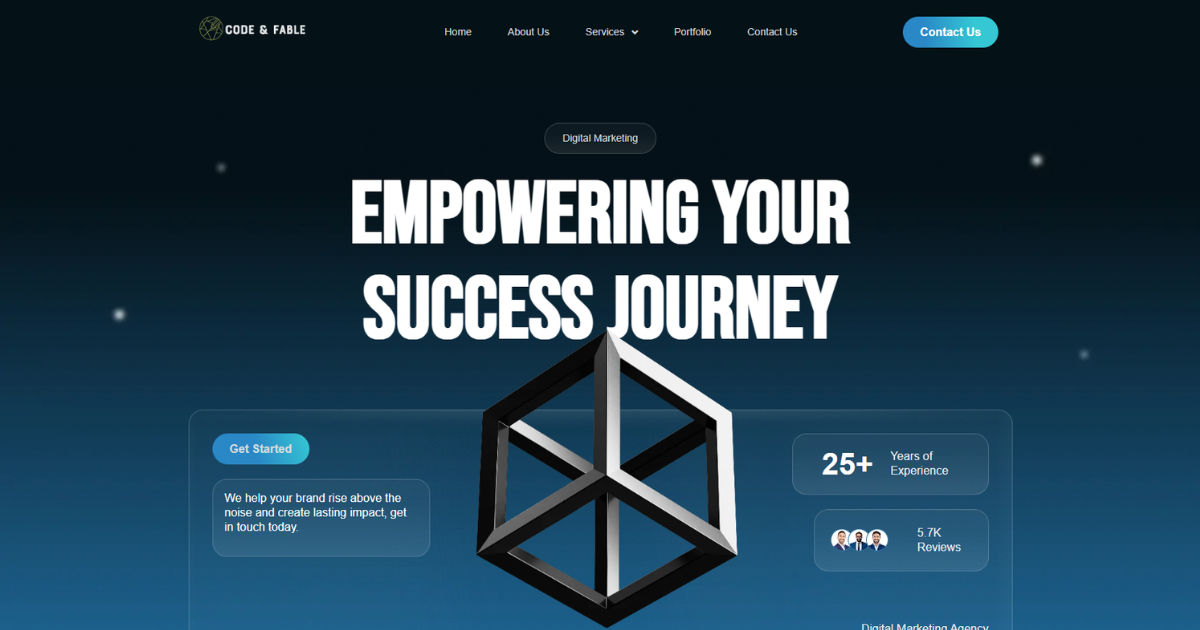
Businesses using the Code and Fable style often focus on creativity, innovation, emotional connection, and human-centered communication.
When creating content for Code and Fable, the goal is not only to inform people but also to inspire them. Audiences today want meaningful experiences.
They enjoy brands that teach, entertain, and communicate with authenticity. Because of this, content ideas for Code and Fable should combine technical knowledge with engaging storytelling.
This guide explores the best content ideas that fit the Code and Fable branding style.
It explains how businesses can create articles, videos, social media campaigns, podcasts, and visual content that match the personality of the brand. Whether you are a startup, creative agency, software company, or digital storyteller, these ideas can help shape a strong identity for Code and Fable.
The Identity of Code and Fable
Before creating content, it is important to understand what Code and Fable represents. The word “Code” suggests technology, software, logic, and innovation. The word “Fable” represents storytelling, imagination, creativity, and emotion.
Together, Code and Fable creates a brand image that feels intelligent yet human. It speaks to audiences who appreciate modern technology but still value emotional connection and authentic stories.
Content under the Code and Fable brand should feel:
- Creative
- Intelligent
- Modern
- Inspiring
- Human-centered
- Thoughtful
- Educational
- Story-driven
The balance between technical expertise and storytelling is the foundation of successful Code and Fable content.
Why Content Matters for Code and Fable Branding
Strong content helps brands build trust and visibility. For Code and Fable, content also helps explain complex ideas in a simple and emotional way.
People remember stories more than facts alone. A software tutorial may teach someone how to use a product, but a story about how the product changed someone’s life creates emotional impact.
This is why Code and Fable branding should focus on content that combines information with storytelling techniques.
Benefits of strong content for Code and Fable include:
- Better audience engagement
- Stronger brand identity
- Higher trust and loyalty
- Improved SEO performance
- Increased social media sharing
- Better customer relationships
Storytelling-Based Blog Content
Founder Journey Stories
One of the best content ideas for Code and Fable is founder storytelling. Audiences love learning how businesses started, the struggles founders faced, and the lessons learned along the way.
These stories make the brand feel real and relatable.
Examples include:
- How the company idea began
- Challenges faced during development
- Lessons learned from failure
- Personal growth experiences
- Turning creative ideas into technology
This type of storytelling fits perfectly with the emotional side of Code and Fable branding.
Behind-the-Scenes Articles
People enjoy seeing how creative and technical projects come together. Behind-the-scenes content helps audiences feel connected to the process.
Good ideas include:
- How a website was designed
- The development process of an app
- Brainstorming sessions
- Team collaboration stories
- Daily workflows
For Code and Fable, behind-the-scenes articles should feel honest and personal.
Customer Success Narratives
Case studies become more engaging when written like stories instead of formal reports.
Instead of only listing statistics, Code and Fable content should explain:
- The customer’s original problem
- Emotional frustrations
- The creative process
- The final transformation
- Positive outcomes
This approach creates a stronger emotional connection with readers.
Educational Content Ideas
Beginner-Friendly Tech Guides
Educational content is essential for Code and Fable branding. However, the tone should remain approachable and easy to understand.
Good topics include:
- Website development basics
- Beginner coding tutorials
- UX design principles
- Branding fundamentals
- Digital marketing tips
The educational style should avoid complicated language. Code and Fable content works best when technical subjects feel simple and enjoyable.
Creative Problem-Solving Articles
Modern audiences enjoy learning how creative thinking solves real problems.
Examples include:
- How storytelling improves web design
- Why emotional branding matters
- Combining creativity with AI
- Human-centered product design
- Turning data into meaningful stories
This type of content strongly reflects the identity of Code and Fable.
Industry Trend Analysis
Thought leadership is important for establishing authority. Code and Fable can create trend-based content discussing:
- AI and creativity
- Future web design trends
- Ethical technology
- Digital storytelling evolution
- Branding in the modern era
Trend analysis should include practical examples and relatable explanations.
Social Media Content Ideas
Inspirational Quote Graphics
Social media audiences respond well to visually attractive quotes. For Code and Fable, quotes should focus on creativity, innovation, storytelling, and technology.
Examples:
- Creativity and coding motivation
- Design philosophy
- Innovation mindset
- Storytelling inspiration
These posts help strengthen the visual identity of Code and Fable.
Mini Story Posts
Short storytelling posts work very well on platforms like Instagram, LinkedIn, and Facebook.
Ideas include:
- A developer overcoming a challenge
- A client transformation story
- A lesson learned from failure
- A creative breakthrough moment
Mini stories fit naturally into the emotional branding strategy of Code and Fable.
Carousel Education Posts
Educational carousel posts are highly engaging.
Topics for Code and Fable may include:
- Branding tips
- UX design lessons
- Content strategy advice
- Coding shortcuts
- Marketing storytelling ideas
The design should remain clean, modern, and visually consistent.
Video Content Ideas
Documentary-Style Brand Videos
A documentary-style video is an excellent match for Code and Fable branding.
Possible themes include:
- The company mission
- Team collaboration stories
- Client experiences
- The future of creativity and technology
These videos create emotional engagement and build trust.
Tutorial Videos
Tutorial videos are highly effective because they provide value while showing expertise.
Examples include:
- Coding tutorials
- Design software lessons
- Branding workshops
- Storytelling strategies
The tone should remain conversational and friendly.
Day-in-the-Life Content
Audiences enjoy authentic content showing real work environments.
Good ideas include:
- A developer’s daily routine
- A designer’s workflow
- Team brainstorming sessions
- Creative project management
This humanizes the Code and Fable brand.
Podcast Content Ideas
Interviews with Creative Professionals
Podcasts fit naturally into Code and Fable branding because they allow deep storytelling.
Possible guests include:
- Developers
- Designers
- Writers
- Startup founders
- Digital marketers
Topics can explore creativity, innovation, and personal experiences.
Technology and Creativity Discussions
A podcast discussing the relationship between creativity and technology strongly reflects the Code and Fable identity.
Possible subjects include:
- AI in storytelling
- Future design trends
- Creative entrepreneurship
- Digital branding psychology
This type of content positions Code and Fable as a thought leader.
Community-Focused Content
User-Generated Stories
Community engagement is powerful for branding.
Encourage audiences to share:
- Their creative journeys
- Personal projects
- Design experiences
- Coding achievements
Featuring audience stories makes Code and Fable feel inclusive and community-driven.
Creative Challenges
Interactive challenges encourage participation.
Examples include:
- Weekly design challenges
- Storytelling competitions
- Coding creativity contests
- Branding idea challenges
This keeps audiences engaged while reinforcing the creative identity of Code and Fable.
Visual Branding Content
Minimalist Design Showcases
The visual style of Code and Fable should feel modern and elegant.
Content ideas include:
- Website redesign showcases
- Typography inspiration
- Color palette discussions
- Interface design examples
Minimalism combined with storytelling creates a strong visual identity.
Animated Storytelling Content
Animation adds emotion and creativity to branding.
Ideas include:
- Animated explainer videos
- Motion graphics
- Brand storytelling animations
- Product demonstrations
Animation helps Code and Fable stand out in crowded digital spaces.
Long-Form Content Ideas
Comprehensive Guides
Long-form guides build authority and improve SEO.
Examples include:
- Complete branding guides
- Beginner coding handbooks
- UX design principles
- Digital storytelling frameworks
Detailed content positions Code and Fable as an educational resource.
Research-Based Articles
Research articles help establish trust and expertise.
Topics may include:
- Consumer psychology
- User experience studies
- Branding statistics
- Technology adoption trends
The writing should remain simple enough for broad audiences.
Email Marketing Content
Story-Driven Newsletters
Email newsletters for Code and Fable should avoid sounding robotic.
Good newsletter elements include:
- Personal founder notes
- Creative inspiration
- Industry insights
- Team updates
- Featured projects
Story-driven emails build stronger audience relationships.
Educational Email Series
A multi-part educational series can keep subscribers engaged.
Examples include:
- Beginner branding lessons
- Coding basics
- Storytelling techniques
- Creative productivity advice
This supports both audience growth and brand loyalty.
Website Content Ideas
Interactive Storytelling Pages
Interactive storytelling is highly effective for Code and Fable branding.
Examples include:
- Scroll-based animations
- Interactive timelines
- Story-driven landing pages
- Dynamic portfolio experiences
This style combines creativity and technology perfectly.
Personality-Focused About Pages
Many brands create boring About pages. Code and Fable should focus on personality and storytelling.
A strong About page may include:
- Brand mission
- Team stories
- Creative values
- Future vision
This helps audiences emotionally connect with the brand.
SEO Content Strategies for Code and Fable
Keyword Story Integration
SEO should feel natural within Code and Fable content. Keywords should blend into storytelling instead of sounding forced.
This improves:
- Search rankings
- Reader experience
- Engagement time
- Brand authenticity
Evergreen Educational Content
Evergreen content continues attracting visitors over time.
Good evergreen topics include:
- How to build a brand
- Beginner coding advice
- Storytelling frameworks
- UX design basics
These topics align well with the educational side of Code and Fable.
Emotional Branding Through Content
Human Experiences
Emotion creates memorable branding.
Content should explore:
- Fear of failure
- Creative struggles
- Personal growth
- Team collaboration
- Innovation journeys
These themes make Code and Fable feel authentic and relatable.
Hope and Inspiration
Inspirational storytelling encourages emotional connection.
Audiences appreciate brands that motivate them to:
- Learn new skills
- Pursue creativity
- Solve problems
- Think differently
This emotional tone fits naturally within Code and Fable branding.
Content Tone and Writing Style
Conversational Language
The tone of Code and Fable content should feel friendly and approachable.
Avoid:
- Excessive jargon
- Overly formal writing
- Robotic language
Instead, focus on:
- Clear explanations
- Short paragraphs
- Emotional storytelling
- Human experiences
Balanced Intelligence and Simplicity
The best Code and Fable content sounds smart without being difficult to understand.
A 12th-grade reading level works perfectly because it keeps content accessible while still feeling professional.
Branding Consistency Across Platforms
Unified Visual Identity
Consistency helps audiences recognize the brand immediately.
The Code and Fable style should include:
- Consistent typography
- Matching color palettes
- Similar storytelling themes
- Unified voice and tone
Cross-Platform Storytelling
Content should connect across different platforms.
For example:
- A blog post becomes a video
- A podcast becomes social media clips
- A case study becomes an infographic
This creates a connected brand experience for Code and Fable.
Common Mistakes to Avoid
Too Much Technical Language
Many technology brands sound cold and difficult to understand.
Code and Fable should remain human-focused.
Avoid overwhelming readers with technical jargon.
Ignoring Emotional Connection
Purely informational content may educate audiences, but emotional storytelling creates loyalty.
The storytelling side of Code and Fable is just as important as the technical side.
Inconsistent Messaging
Brand inconsistency confuses audiences.
Every piece of Code and Fable content should reflect the same values:
- Creativity
- Innovation
- Authenticity
- Human-centered thinking
Future Content Opportunities for Code and Fable
AI and Storytelling Content
AI is changing how brands create content.
Code and Fable can explore:
- Ethical AI storytelling
- AI-assisted creativity
- Human creativity vs automation
- Future creative industries
This positions the brand as modern and forward-thinking.
Interactive Learning Experiences
Interactive content is becoming more popular.
Examples include:
- Online workshops
- Interactive tutorials
- Creative learning platforms
- Gamified storytelling
These ideas strongly match the innovative identity of Code and Fable.
Building a Loyal Audience with Code and Fable Content
Trust Through Authenticity
Audiences trust brands that feel genuine.
Honest storytelling, transparency, and educational value help Code and Fable build lasting audience relationships.
Encouraging Community Participation
Strong brands create communities, not just customers.
Encourage audiences to:
- Share ideas
- Join discussions
- Participate in challenges
- Contribute stories
This transforms Code and Fable into a collaborative creative space.
Conclusion
Creating content for Code and Fable requires a balance between technology and storytelling. The brand identity combines logic with imagination, making it unique in the digital world. Successful Code and Fable content should educate audiences while also creating emotional connection.
The best content ideas include storytelling blogs, educational guides, documentary-style videos, podcasts, interactive experiences, and community-driven campaigns. Every piece of content should feel human, creative, and thoughtful.
Modern audiences want more than information. They want meaning, inspiration, and authenticity. This is why Code and Fable branding works so well when storytelling becomes part of the content strategy.
By focusing on creativity, emotional engagement, and clear communication, brands using the Code and Fable approach can build loyal audiences and stand out in competitive digital spaces. Whether through social media, long-form articles, videos, or podcasts, the future of Code and Fable content lies in combining innovation with human connection.