
When it comes to electricity, power cables play a critical role in delivering safe and uninterrupted energy to homes, industries, and businesses.
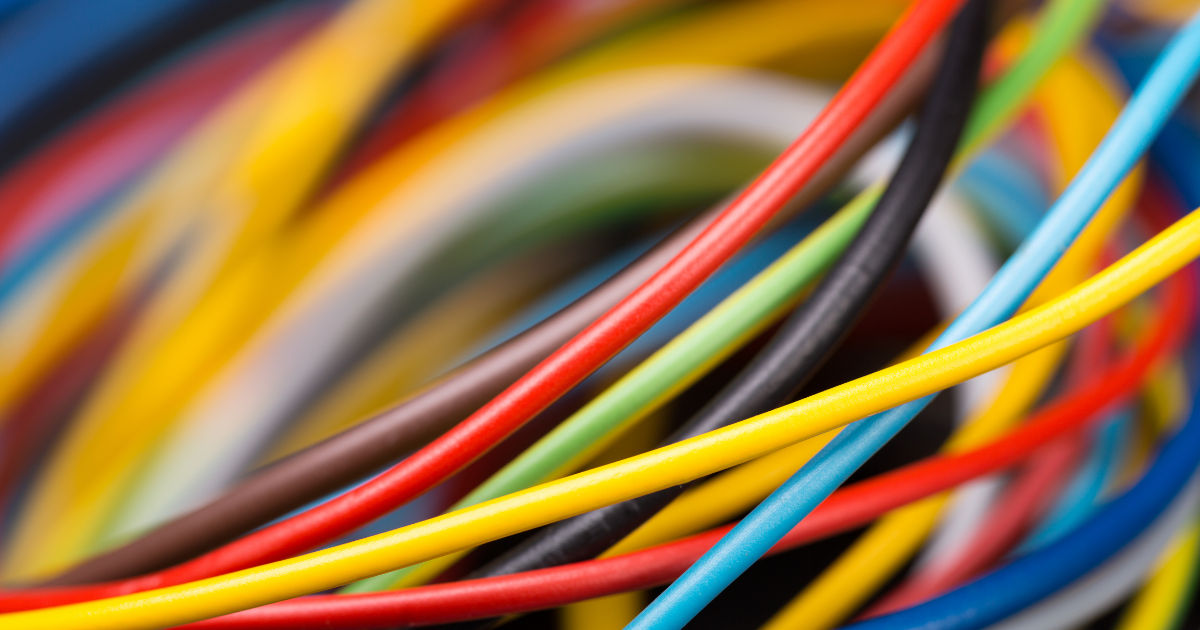 For anyone searching for reliable sources, a Fast Cables Supplier in Karachi provides high-quality cables that ensure safety and efficiency. Despite using quality cables, power systems can still face faults.
Understanding common power cable faults is crucial for preventing accidents, improving system performance, and reducing maintenance costs. This guide explains these faults in simple terms, their causes, symptoms, and ways to fix them.
What Are Power Cable Faults?
A power cable fault occurs when there is a disruption in the normal flow of electricity through a cable. This disruption can lead to power outages, equipment damage, or even safety hazards like fire and electric shock. Faults can happen due to aging cables, improper installation, environmental factors, or mechanical damage. Knowing the type of fault helps technicians troubleshoot and repair the cable effectively.
Power cables are made of conductors, usually copper or aluminum, surrounded by insulation. Faults can occur in the conductor, insulation, or the surrounding protective layers. Recognizing these faults early can save time, money, and prevent serious accidents.
Why Understanding Power Cable Faults Is Important
Electrical faults are not only inconvenient but can be dangerous. Here’s why understanding them is essential:
-
Safety: Faulty cables can lead to electric shocks, fires, and injuries.
-
Efficiency: Faults reduce energy efficiency and increase electricity bills.
-
Equipment Protection: Sensitive machines can get damaged if power faults are ignored.
-
Maintenance: Knowing fault types helps in quick repairs and prolongs cable life.
When sourcing reliable products, a Fast Cables Supplier in Karachi ensures you get cables that are less prone to faults, making your electrical system safer and more efficient.
Types of Common Power Cable Faults
Power cable faults can be broadly categorized into three main types:
-
Open Circuit Faults
-
Short Circuit Faults
-
Earth Faults
Each type has unique causes, symptoms, and solutions.
Open Circuit Faults
An open circuit fault occurs when the conductor inside a cable breaks or becomes disconnected, stopping the flow of electricity. This type of fault is often caused by mechanical damage, wear and tear, or improper installation.
Causes:
-
Physical damage due to drilling, nailing, or digging.
-
Aging cables with brittle insulation or corroded conductors.
-
Loose connections at joints or terminals.
Symptoms:
-
Complete loss of power in a specific section.
-
Flickering lights or appliances not working.
-
Visible damage to the cable insulation.
Solutions:
-
Identify the damaged section using a cable fault locator.
-
Replace or repair the broken conductor.
-
Ensure proper insulation and secure connections.
Preventive maintenance, such as regular inspections and using high-quality cables from a Fast Cables Supplier in Karachi, reduces the risk of open circuit faults.
Short Circuit Faults
Short circuits happen when two conductors that should be separate come into contact. This causes excessive current to flow, which can damage equipment and create fire hazards.
Causes:
-
Insulation failure due to heat, aging, or mechanical damage.
-
Moisture or water ingress causing conductors to touch.
-
Rodents or insects chewing on cables.
Symptoms:
-
Sparks, smoke, or unusual burning smell.
-
Tripped circuit breakers or blown fuses.
-
Sudden blackout in the affected area.
Solutions:
-
Turn off power immediately to prevent damage.
-
Inspect the cable for insulation damage.
-
Replace faulty sections and apply proper insulation.
-
Ensure proper routing of cables to avoid exposure to water and pests.
A reliable Fast Cables Supplier in Karachi provides cables with strong insulation to minimize short circuit risks.
Earth Faults
An earth fault occurs when the conductor accidentally touches the ground or earth, leading to leakage of current. It is also called a ground fault and is common in industrial setups and outdoor wiring.
Causes:
-
Damaged insulation due to wear or exposure to moisture.
-
Loose connections causing leakage to grounded surfaces.
-
Corrosion in metal conduits or fittings.
Symptoms:
-
Circuit breakers tripping frequently.
-
Slight shocks when touching appliances.
-
Power loss in a section of the system.
Solutions:
-
Use an insulation resistance tester to locate the fault.
-
Repair or replace the damaged cable section.
-
Install residual current devices (RCDs) for safety.
Quality cables from a Fast Cables Supplier in Karachi are designed to resist moisture and corrosion, reducing earth fault occurrences.
Other Causes of Cable Faults
Apart from the main types, several other factors can contribute to cable faults:
Mechanical Damage
Cables are often subjected to bending, crushing, or stretching during installation or daily use. Mechanical stress can weaken the conductor and insulation over time, causing faults.
Prevention Tips:
-
Avoid sharp bends during installation.
-
Use protective conduits in high-traffic areas.
-
Choose durable cables from a Fast Cables Supplier in Karachi.
Environmental Factors
Cables exposed to extreme weather, heat, or chemicals can deteriorate faster. Sunlight, rain, oil, and chemicals can damage insulation, leading to faults.
Prevention Tips:
-
Use outdoor-rated and chemical-resistant cables.
-
Install cables away from direct sunlight or corrosive environments.
Aging and Wear
Over time, even high-quality cables can degrade. Insulation can crack, and conductors may corrode.
Prevention Tips:
-
Schedule regular inspections.
-
Replace old cables before they fail.
-
Purchase long-lasting cables from a Fast Cables Supplier in Karachi to minimize aging-related issues.
Improper Installation
Poor installation practices, such as incorrect terminations, loose connections, or inadequate supports, can cause early cable failure.
Prevention Tips:
-
Follow manufacturer guidelines strictly.
-
Use trained electricians for installation.
-
Ensure cables are properly secured and supported.
Tools and Techniques to Detect Cable Faults
Modern technology makes detecting cable faults faster and more accurate. Common techniques include:
Insulation Resistance Testing
This method measures the insulation’s ability to resist electric current. Low insulation resistance indicates possible faults.
Time Domain Reflectometer (TDR)
TDR sends a signal through the cable and measures reflections to detect faults. It can locate the exact position of the fault, saving time and resources.
Fault Locators
Specialized devices detect short circuits, open circuits, and earth faults by measuring resistance, continuity, and current leakage.
Using these tools ensures that faults are identified quickly, reducing downtime and improving safety.
Preventive Measures for Cable Faults
Preventing cable faults is always better than fixing them. Here are key preventive measures:
Use Quality Cables
Investing in high-quality cables from a trusted Fast Cables Supplier in Karachi ensures longer life, better insulation, and resistance to faults.
Regular Inspection and Maintenance
Periodic inspections can detect early signs of wear, corrosion, or insulation damage, allowing proactive repair.
Proper Installation
Follow correct installation guidelines, secure cables properly, and avoid mechanical stress or exposure to harsh environments.
Protective Devices
Install fuses, circuit breakers, and residual current devices (RCDs) to protect cables and equipment from faults.
Environmental Protection
Use conduits, cable trays, or underground installations to shield cables from sunlight, water, and physical damage.
Common Mistakes That Lead to Cable Faults
Even with quality cables, human error can cause faults:
-
Overloading cables beyond their rated capacity.
-
Ignoring insulation damage or signs of wear.
-
Poor jointing or termination techniques.
-
Neglecting protective devices or grounding requirements.
Avoiding these mistakes ensures longer cable life and system safety.
Conclusion
Understanding common power cable faults is crucial for anyone dealing with electricity. Open circuit faults, short circuits, and earth faults are the most frequent problems, but other factors like mechanical damage, environmental stress, aging, and poor installation also contribute.
By sourcing high-quality products from a Fast Cables Supplier in Karachi, ensuring proper installation, regular inspection, and using protective devices, many cable faults can be prevented. Investing in safety and quality not only reduces downtime but also protects people, equipment, and property.
Maintaining power cables properly is a combination of choosing the right materials, following installation best practices, and performing routine checks. With awareness and proactive measures, you can ensure that your electrical system remains safe, efficient, and reliable.