
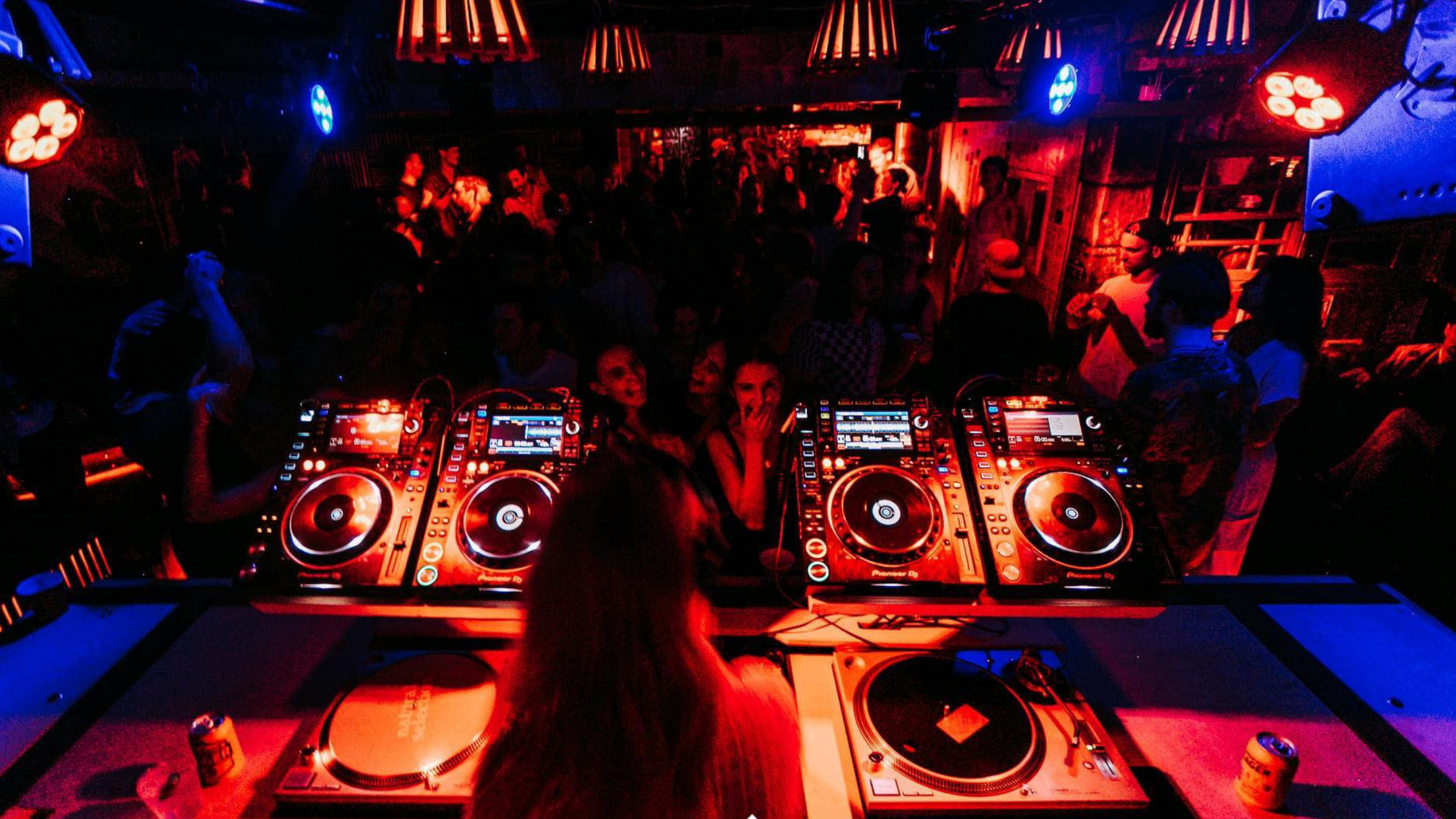
Clubs have long been emblematic of the downtown nightlife scene, offering as hubs wherever audio, cultural interaction, and vibrant energy converge to create unique experiences. These spots, often cloaked in night and illuminated with a kaleidoscope of colored lights, offer more than a destination for a dance—they’re social phenomena that form cultural makeup and activity trends. The allure of a nightclub lies in its distinctive environment, where the ordinary daytime earth ends out, replaced by way of a kingdom fueled by rhythmic beats and a shared wish for escapism.
Strolling right into a nightclub is much like walking in to a different dimension. The major bass vibrations resonate through the ground, placing an actual rhythm that instructions bodies to move. DJs craft delicate soundscapes that mixture styles, from blinking digital dance audio to easy hip-hop and energetic pop, making an oral playground that provides diverse tastes. The audio isn’t only history noise nevertheless the pulse of the membership, guiding the crowd’s power and developing a combined experience of joy and release. This synchronization of sound and motion fosters an expression of community among guests, united by a popular passion for the beat.
Beyond the audio, the social fabric of clubs is wealthy and complex. These sites behave as cultural equalizers, wherever folks from different backgrounds come together to interact, flirt, and move connections. The poor lighting and personal rooms inspire openness and spontaneity, enabling people to reduce daily inhibitions and express themselves freely. Nightclubs frequently become settings for unique encounters—whether quick minutes of discussed enjoyment on the dance floor or the beginning of sustained relationships and romantic relationships. This cultural magnetism is a crucial purpose clubs continue to flourish despite adjusting leisure landscapes.
The design and ambiance of a nightclub enjoy critical jobs in shaping their identity. From sleek, minimal decorations to extravagant, crafted surroundings, groups invest heavily in aesthetic beauty that complement the auditory experience. Light reveals, laser exhibits, and particular outcomes raise the physical activation, turning each visit into a multisensory adventure. Bartenders and mixologists lead by crafting inventive cocktails that put flavor to the night time, increasing the entire vibe. This cautiously curated setting turns a simple night out in to an immersive knowledge, appealing guests to reduce themselves in the moment.
But, the nightclub tradition isn’t without its challenges. Problems such as overcrowding, sound complaints, and security concerns have prompted sites to adopt stricter rules and protection measures. Many groups today stress responsible drinking and inclusivity, seeking to create secure places wherever everyone else thinks welcome irrespective of identity. The development of nightlife can be affected by technical advancements, with groups adding digital aspects like LED displays and interactive installations to stay relevant and engaging.
Despite these problems, night 인천서구나이트 s stay important ethnic rooms that reflect broader cultural trends. They behave as incubators for new audio types and fashion, influencing popular tradition far beyond their walls. For many, an evening at the team is just a valued ritual—an opportunity to disconnect from daily demands and reconcile with the easy satisfaction of party, audio, and human connection.
Essentially, nightclubs embody the powerful spirit of metropolitan living after dark. They are not merely locations but activities that encapsulate the freedom, creativity, and power of nightlife, pulling persons into a provided party of sound and social vibrancy. Whether a dedicated clubber or an everyday visitor, the magnetic pull of the nightclub continues to captivate and encourage across ages