
The Spectra S1 Pro Breast Pump is often mentioned by parents when discussing comfort, reliability, and pumping efficiency. But efficiency in a breast pump is not just about one feature—it is a combination of design, technology, comfort, and how well it supports natural milk flow.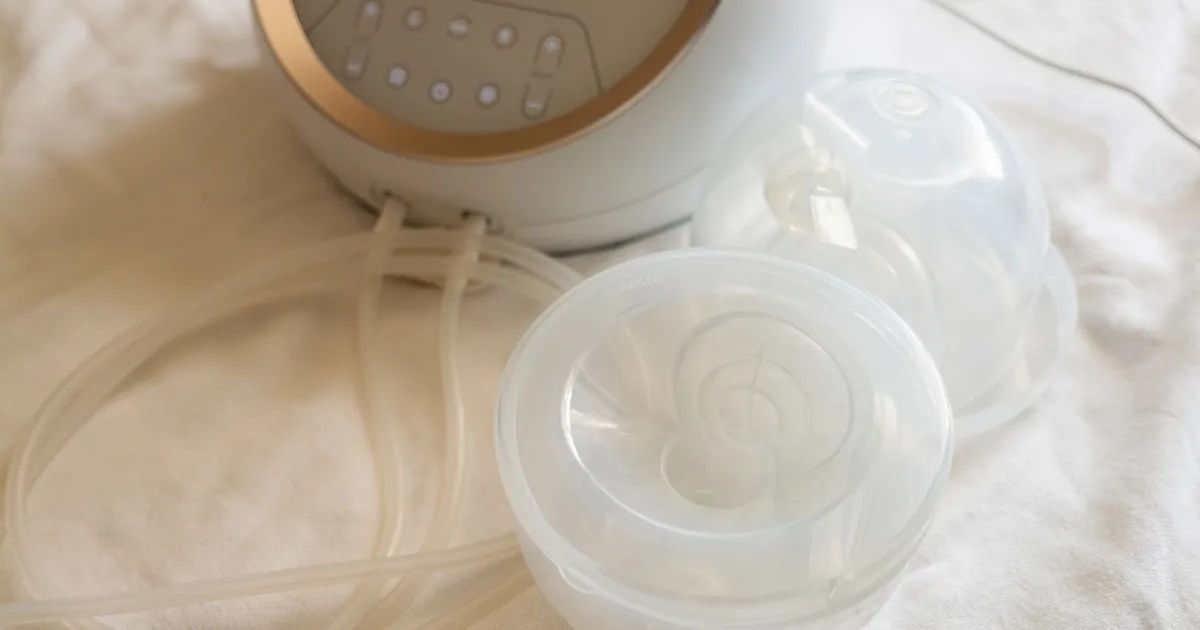
In simple terms, a more efficient Spectra S1 Pro Breast Pump helps a mother express more milk in less time, with less discomfort and better consistency. Understanding what makes a pump efficient can help parents choose the right device and also improve their pumping experience at home or on the go.
This guide explains all the important factors that affect breast pump efficiency in a clear, practical way.
Understanding Breast Pump Efficiency
Breast pump efficiency refers to how effectively a pump removes milk from the breasts while maintaining comfort and supporting natural milk production.
A highly efficient pump should:
- Stimulate let-down quickly
- Remove milk thoroughly
- Minimize discomfort
- Work consistently over time
- Fit well to the user’s body
The Spectra S1 Pro Breast Pump is designed with these principles in mind, but efficiency ultimately depends on multiple combined factors—not just the brand or model.
Why Efficiency Matters for Mothers
Efficiency is not just about saving time. It affects both physical comfort and emotional well-being.
Time Management
New mothers often have limited time. A more efficient pump reduces pumping sessions, freeing up time for rest, bonding, or work.
Milk Supply Support
Efficient milk removal signals the body to continue producing milk. Poor efficiency can lead to reduced supply over time.
Comfort and Stress Reduction
A slow or painful pumping experience can cause stress, which may negatively affect milk flow. Efficient pumps reduce this issue.
The Spectra S1 Pro Breast Pump is frequently used because it balances comfort with performance, helping mothers maintain a steady routine.
Key Factors That Make a Breast Pump More Efficient
Several important design and functional elements determine how efficient a breast pump will be.
Suction Strength and Control
Suction strength is one of the most important features in pump efficiency.
A good pump should:
- Mimic a baby’s natural sucking rhythm
- Offer adjustable suction levels
- Avoid overly harsh pressure
Strong suction alone does not mean better efficiency. In fact, too much suction can reduce milk flow due to discomfort or blocked let-down.
The Spectra S1 Pro Breast Pump is known for adjustable suction settings, allowing users to find the right balance between comfort and effectiveness.
Cycle Speed and Rhythm
Cycle speed refers to how fast the pump mimics sucking movements.
Efficient pumping typically involves two phases:
- Stimulation phase – fast suction to trigger let-down
- Expression phase – slower, deeper suction to remove milk
A pump that can automatically switch between these phases improves efficiency significantly.
The Spectra S1 Pro Breast Pump uses a dual-phase system that helps simulate a baby’s natural feeding pattern, improving milk output while reducing pumping time.
Proper Flange Fit
Flange size and fit play a major role in efficiency, yet it is often overlooked.
If the flange is:
- Too small → causes pain and reduces milk flow
- Too large → leads to poor suction and inefficiency
A properly fitted flange ensures:
- Full milk duct coverage
- Comfortable suction
- Maximum milk extraction
Even the most advanced pump, including the Spectra S1 Pro Breast Pump, will not perform efficiently without the correct flange size.
Motor Performance and Stability
The motor is the heart of any breast pump.
A high-quality motor provides:
- Consistent suction strength
- Quiet operation
- Long-lasting performance
Inconsistent motor pressure can interrupt milk flow and reduce efficiency.
The Spectra S1 Pro Breast Pump is often praised for its stable motor system, which maintains steady suction without sudden drops or spikes.
Closed System Design
A closed system prevents milk from entering the tubing or motor.
This improves efficiency in several ways:
- Keeps suction strong and consistent
- Maintains hygiene
- Reduces maintenance issues
- Prevents contamination
Open systems may lose efficiency over time due to moisture buildup or cleaning difficulties.
The Spectra S1 Pro Breast Pump uses a closed system design, which helps maintain long-term performance and cleanliness.
Comfort and Pain-Free Expression
Comfort directly affects how efficiently milk is released.
When a mother is relaxed:
- Oxytocin levels increase
- Let-down happens faster
- Milk flows more easily
Pain or discomfort can block let-down and reduce output.
Features that improve comfort include:
- Soft silicone cushions
- Adjustable suction levels
- Gentle cycle patterns
The Spectra S1 Pro Breast Pump focuses heavily on comfort, which indirectly improves efficiency by encouraging natural milk release.
Portability and Ease of Use
A pump that is easy to use tends to be used more consistently, which improves long-term efficiency.
Key portability features include:
- Rechargeable battery
- Lightweight design
- Easy assembly
- Simple controls
The Spectra S1 Pro Breast Pump includes a built-in rechargeable battery, making it easier for mothers to pump in different locations without being tied to a wall socket.
Consistency in pumping schedules leads to better milk supply and improved efficiency overall.
Noise Level and Discretion
Noise may not seem like an efficiency factor, but it plays an indirect role.
A quiet pump:
- Reduces stress
- Allows use in shared spaces
- Encourages relaxed pumping sessions
Stress-free environments help milk flow more naturally.
The Spectra S1 Pro Breast Pump is designed to operate quietly, making it suitable for nighttime or public use without disruption.
Expression Technology and Milk Flow Optimization
Modern breast pumps use advanced technology to improve milk expression.
This includes:
- Smart suction patterns
- Memory settings
- Adjustable cycles
- Let-down detection modes
These features help the pump adapt to the user’s body instead of using a fixed pattern.
The Spectra S1 Pro Breast Pump uses customizable settings that allow mothers to fine-tune their pumping experience for better milk output.
Battery Life and Power Efficiency
A pump that loses power quickly or requires frequent charging can interrupt sessions and reduce efficiency.
Good battery performance ensures:
- Full pumping sessions without interruption
- Flexibility in usage location
- Reliable daily routine
The Spectra S1 Pro Breast Pump is known for its rechargeable battery system, which supports multiple pumping sessions per charge.
How Pumping Routine Affects Efficiency
Even the best pump cannot perform efficiently without a proper routine.
Consistency Matters
Pumping at regular intervals helps maintain supply and improves milk flow response.
Relaxation Helps
A calm environment improves hormonal response and milk let-down.
Hydration and Nutrition
Proper hydration supports better milk production and flow.
The Spectra S1 Pro Breast Pump performs best when used in a structured and consistent routine.
Common Mistakes That Reduce Efficiency
Many users unintentionally reduce pump performance.
Incorrect Flange Size
This is one of the most common issues affecting efficiency.
Overusing High Suction
Higher suction does not always mean better output.
Irregular Pumping Schedule
Skipping sessions can reduce milk supply over time.
Poor Cleaning Practices
Residue or buildup can affect suction performance.
Even advanced devices like the Spectra S1 Pro Breast Pump need proper usage to maintain efficiency.
Tips to Improve Breast Pump Efficiency
Here are practical ways to improve results:
- Use correct flange size
- Start with stimulation mode
- Switch to expression mode after let-down
- Stay relaxed during pumping
- Maintain regular schedule
- Ensure proper hydration
- Clean pump parts thoroughly
These habits can significantly improve how effectively any pump works, including the Spectra S1 Pro Breast Pump.
Comparing Efficiency Across Different Users
Every mother’s body responds differently to pumping.
Factors that influence individual efficiency include:
- Breast anatomy
- Milk supply levels
- Hormonal balance
- Stress levels
- Experience with pumping
This means that even the same pump, such as the Spectra S1 Pro Breast Pump, may feel different for different users.
The Role of Experience and Adaptation
Efficiency improves over time as the body adapts to pumping.
New users may experience:
- Slower let-down
- Lower initial output
- Learning curve in settings
With practice, the body responds faster and more efficiently. The Spectra S1 Pro Breast Pump supports this learning curve with adjustable settings that can be tailored over time.
Long-Term Efficiency and Maintenance
A pump’s long-term efficiency depends on how well it is maintained.
Important maintenance steps:
- Regular cleaning of parts
- Checking valves and membranes
- Replacing worn components
- Proper storage of tubing and bottles
Neglecting maintenance can reduce suction strength and overall performance, even in high-quality pumps like the Spectra S1 Pro Breast Pump.
Environmental and Lifestyle Factors
External conditions also influence efficiency.
Stress Levels
Higher stress can reduce milk let-down.
Sleep Quality
Poor sleep may affect milk supply and pumping response.
Work Environment
A comfortable, private space improves pumping results.
The Spectra S1 Pro Breast Pump is often chosen by working mothers because it adapts well to different environments.
Conclusion
Breast pump efficiency is not defined by a single feature but by a combination of factors working together. Suction strength, cycle rhythm, flange fit, motor stability, comfort, and user routine all play essential roles in how well a pump performs.
The Spectra S1 Pro Breast Pump demonstrates how thoughtful design—such as adjustable suction, a dual-phase system, quiet operation, and a closed system—can significantly improve efficiency. However, even the best pump requires correct usage, proper maintenance, and a consistent routine to achieve optimal results.
Ultimately, efficiency is a partnership between technology and the user. When both work together, pumping becomes faster, more comfortable, and more productive, supporting both the mother’s well-being and the baby’s nutritional needs.