
Living with Polycystic Ovary Syndrome (PCOS) can affect more than just physical health. Many people with PCOS experience emotional challenges such as mood swings, stress, anxiety, irritability, and low mood. Hormonal changes, insulin resistance, inflammation, and lifestyle difficulties can all influence emotional well-being.
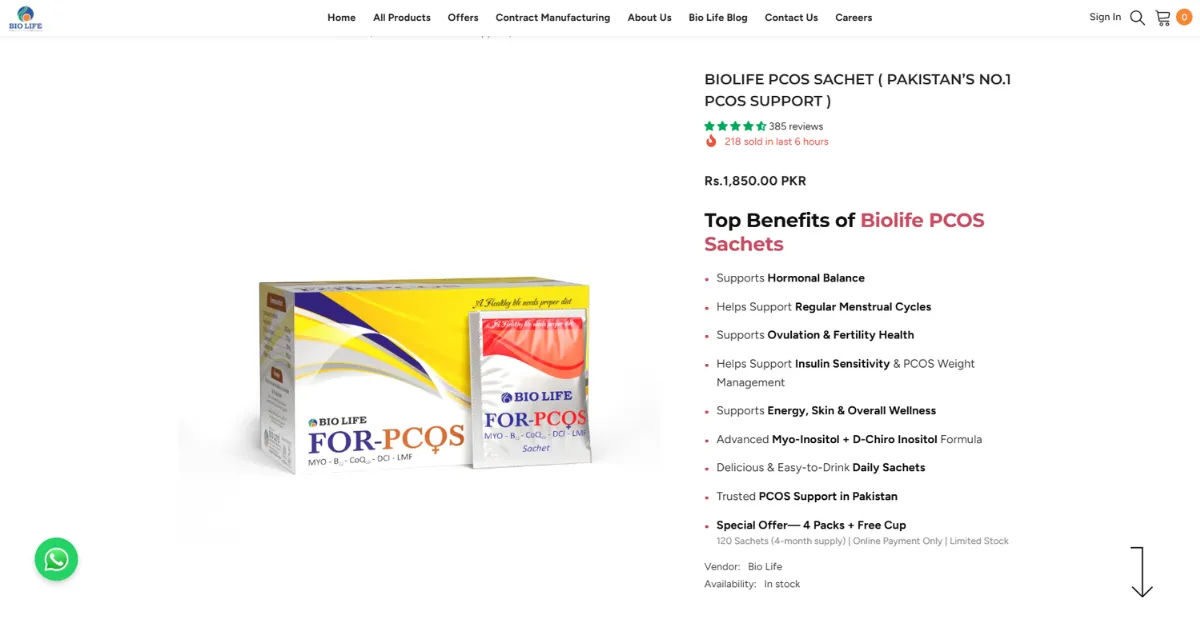
In recent years, PCOS Supplements have gained attention as a possible supportive option for managing some symptoms linked with PCOS, including mood imbalance.While supplements are not a replacement for medical treatment, a healthy diet, exercise, and professional guidance, certain nutrients may help support the body’s natural balance. Understanding how PCOS affects mood and how specific supplements may contribute to emotional wellness can help individuals make informed choices.
The Connection Between PCOS and Mood Changes
PCOS is a hormonal condition that affects many aspects of the body. It commonly involves irregular periods, elevated androgen levels, insulin resistance, weight changes, and difficulties with fertility. However, its effects are not limited to physical symptoms.
Many people with PCOS report experiencing emotional challenges. These mood changes can happen because hormones influence brain chemistry, energy levels, and stress responses.
Hormonal imbalance can affect neurotransmitters such as serotonin and dopamine, which play important roles in regulating mood, motivation, and feelings of happiness.
Additionally, dealing with visible symptoms such as acne, unwanted hair growth, weight fluctuations, or irregular cycles can create emotional stress and affect confidence.
How Hormones Influence Emotional Health in PCOS
Hormones act as chemical messengers that control different processes throughout the body. When hormone levels become disrupted, they can influence mood and mental well-being.
Insulin Resistance and Mood
Insulin resistance is common among people with PCOS. When the body struggles to use insulin properly, blood sugar levels may become unstable.
Blood sugar fluctuations can contribute to:
- Low energy
- Difficulty concentrating
- Irritability
- Increased cravings
- Mood changes
Maintaining stable blood sugar levels through balanced nutrition, physical activity, and appropriate supplementation may support better overall wellness.
Androgen Imbalance and Emotional Changes
Higher levels of androgens, often called male hormones, are another common feature of PCOS. Elevated androgen levels may contribute to symptoms such as acne, hair growth, and changes in body composition.
These physical symptoms can affect self-esteem and emotional health. Managing hormone balance may help improve both physical symptoms and confidence.
Stress Hormones and PCOS
Chronic stress can increase cortisol levels, which may influence hormone regulation and worsen some PCOS symptoms.
Stress can also affect sleep quality, eating habits, and energy levels, creating a cycle that impacts emotional balance.
Can PCOS Supplements Help Support Mood Balance?
Certain nutrients may support processes involved in mood regulation, hormone balance, and overall health. The effectiveness of supplements can vary depending on individual needs, existing deficiencies, lifestyle factors, and the severity of PCOS symptoms.
The role of PCOS Supplements is generally to provide nutritional support that may help the body manage certain challenges associated with PCOS.
They may support:
- Hormonal balance
- Energy production
- Blood sugar management
- Stress response
- Nutrient deficiencies
However, supplements work best when combined with healthy lifestyle habits.
Important Nutrients Found in PCOS Supplements That May Support Mood
Different supplements contain different ingredients. Some commonly studied nutrients may have benefits for individuals managing PCOS-related symptoms.
Inositol and Emotional Wellness
Inositol is one of the most researched nutrients related to PCOS. It plays a role in insulin signaling and cellular communication.
Many people with PCOS have insulin-related concerns, and improving insulin sensitivity may help support better energy levels and emotional stability.
Some research suggests that inositol may also influence neurotransmitter pathways involved in mood regulation.
Potential benefits may include:
- Supporting insulin balance
- Improving metabolic health
- Supporting normal hormone function
- Promoting emotional wellness
Although more research is needed, inositol remains a commonly used ingredient in many PCOS-focused supplements.
Vitamin D and Mood Support
Vitamin D is an important nutrient involved in many body functions, including immune health, hormones, and mood regulation.
Low vitamin D levels are common in many populations and may be associated with low mood and fatigue.
Adequate vitamin D levels may support:
- Healthy brain function
- Energy levels
- Immune system function
- Overall emotional wellness
Individuals with vitamin D deficiency may benefit from supplementation under medical guidance.
Omega-3 Fatty Acids and Inflammation
Omega-3 fatty acids are healthy fats that support brain health and help regulate inflammation in the body.
PCOS is sometimes associated with increased inflammation, which may contribute to metabolic and hormonal challenges.
Omega-3 fatty acids may support:
- Brain function
- Healthy inflammatory responses
- Heart health
- Emotional balance
Including omega-3-rich foods or supplements may be beneficial as part of a balanced wellness approach.
Magnesium and Stress Management
Magnesium is a mineral involved in hundreds of processes in the body. It supports muscle function, energy production, and nervous system health.
Low magnesium intake may be linked with increased stress and difficulty relaxing.
Magnesium may help support:
- Better sleep quality
- Relaxation
- Normal nervous system function
- Reduced feelings of fatigue
Since sleep and stress strongly influence mood, maintaining adequate magnesium levels can be helpful.
B Vitamins and Energy Levels
B vitamins play important roles in energy metabolism and brain function.
Some people with PCOS may experience tiredness due to hormonal imbalance, nutritional deficiencies, or lifestyle factors.
B vitamins may support:
- Normal energy production
- Brain health
- Nervous system function
- Reduced fatigue related to deficiencies
A balanced diet is the best source of vitamins, but supplements may help when nutritional gaps exist.
How PCOS Supplements May Work Alongside Lifestyle Changes
Supplements alone usually cannot solve all PCOS-related mood challenges. Lifestyle habits play a major role in managing symptoms.
A combination approach often provides better support.
Balanced Nutrition
Eating balanced meals can help maintain stable blood sugar levels and support hormone health.
A PCOS-friendly eating pattern may include:
- Protein-rich foods
- Fiber-rich vegetables
- Healthy fats
- Whole grains
- Nutrient-dense foods
Reducing excessive sugar intake may also help prevent energy crashes that can affect mood.
Regular Physical Activity
Exercise supports both physical and emotional health.
Regular movement may help:
- Improve insulin sensitivity
- Reduce stress
- Increase mood-supporting chemicals in the brain
- Improve sleep quality
Activities such as walking, strength training, yoga, and cycling can all contribute to better well-being.
Quality Sleep
Poor sleep can worsen stress and emotional imbalance. Many individuals with PCOS experience sleep difficulties, making healthy sleep habits especially important.
Helpful sleep practices include:
- Maintaining a consistent sleep schedule
- Limiting screen exposure before bed
- Creating a relaxing bedtime routine
- Managing stress during the day
Managing Stress Effectively
Stress management is an important part of PCOS care.
Helpful techniques may include:
- Meditation
- Deep breathing exercises
- Journaling
- Spending time outdoors
- Talking with supportive friends or professionals
Reducing stress may help improve emotional balance and overall quality of life.
Are PCOS Supplements Enough to Improve Mood?
While PCOS Supplements may provide nutritional support, they are not a guaranteed solution for mood problems.
Mood changes in PCOS can have many causes, including:
- Hormonal fluctuations
- Nutrient deficiencies
- Chronic stress
- Sleep problems
- Anxiety or depression
- Lifestyle challenges
Supplements may support the body, but they should be part of a complete approach that includes healthy habits and appropriate healthcare.
If someone experiences persistent sadness, severe anxiety, or emotional difficulties that affect daily life, speaking with a healthcare professional is important.
Choosing the Right PCOS Supplements
Not all supplements are the same. Quality, ingredients, dosage, and individual needs should be considered before choosing a product.
Important factors include:
Check the Ingredients
Look for supplements containing researched nutrients that match your health goals.
Common ingredients may include:
- Inositol
- Vitamin D
- Magnesium
- Omega-3 fatty acids
- B vitamins
Consider Your Personal Needs
Every person with PCOS experiences different symptoms. Some may struggle more with insulin resistance, while others may experience fatigue, stress, or hormonal concerns.
A supplement approach should be personalized.
Consult a Healthcare Professional
Before starting any supplement, especially if taking medications or managing other health conditions, professional advice is recommended.
A healthcare provider can help determine whether supplementation is appropriate.
Possible Limitations and Considerations
Although many supplements are generally considered safe when used correctly, they may not work the same way for everyone.
Possible considerations include:
- Results may take time
- Supplements cannot replace medical treatment
- Excessive amounts of certain nutrients may cause problems
- Individual responses vary
It is important to have realistic expectations and focus on overall health improvement.
The Importance of a Holistic PCOS Management Approach
Managing PCOS involves addressing multiple areas of health. Emotional wellness is connected to physical health, nutrition, hormones, sleep, and stress levels.
A holistic approach may include:
- Healthy eating habits
- Regular exercise
- Medical support
- Stress management
- Appropriate supplements
- Emotional support
When these areas work together, individuals may experience better symptom management and improved quality of life.
Conclusion
PCOS can affect emotional health through hormonal changes, insulin resistance, inflammation, stress, and lifestyle challenges. Mood swings, anxiety, fatigue, and emotional changes are common experiences for many individuals managing this condition.
PCOS Supplements may support mood balance by providing important nutrients involved in hormone regulation, brain health, energy production, and stress management. Ingredients such as inositol, vitamin D, omega-3 fatty acids, magnesium, and B vitamins may offer benefits when used as part of a balanced health plan.
However, supplements should not be viewed as a quick solution. They work best alongside healthy eating, regular movement, quality sleep, stress management, and professional medical guidance when needed.
Understanding your body’s unique needs is an important step toward better PCOS management. With the right combination of lifestyle choices and supportive nutrients, many individuals can work toward improved hormonal balance and emotional well-being.