
Moving to Australia as a permanent resident brings many important benefits, including access to healthcare services. For skilled workers and their families, understanding how Australia's healthcare system works is an essential part of settling into a new life. One common question is whether people who hold an employer-sponsored permanent visa can receive the same healthcare benefits as other Australian permanent residents. 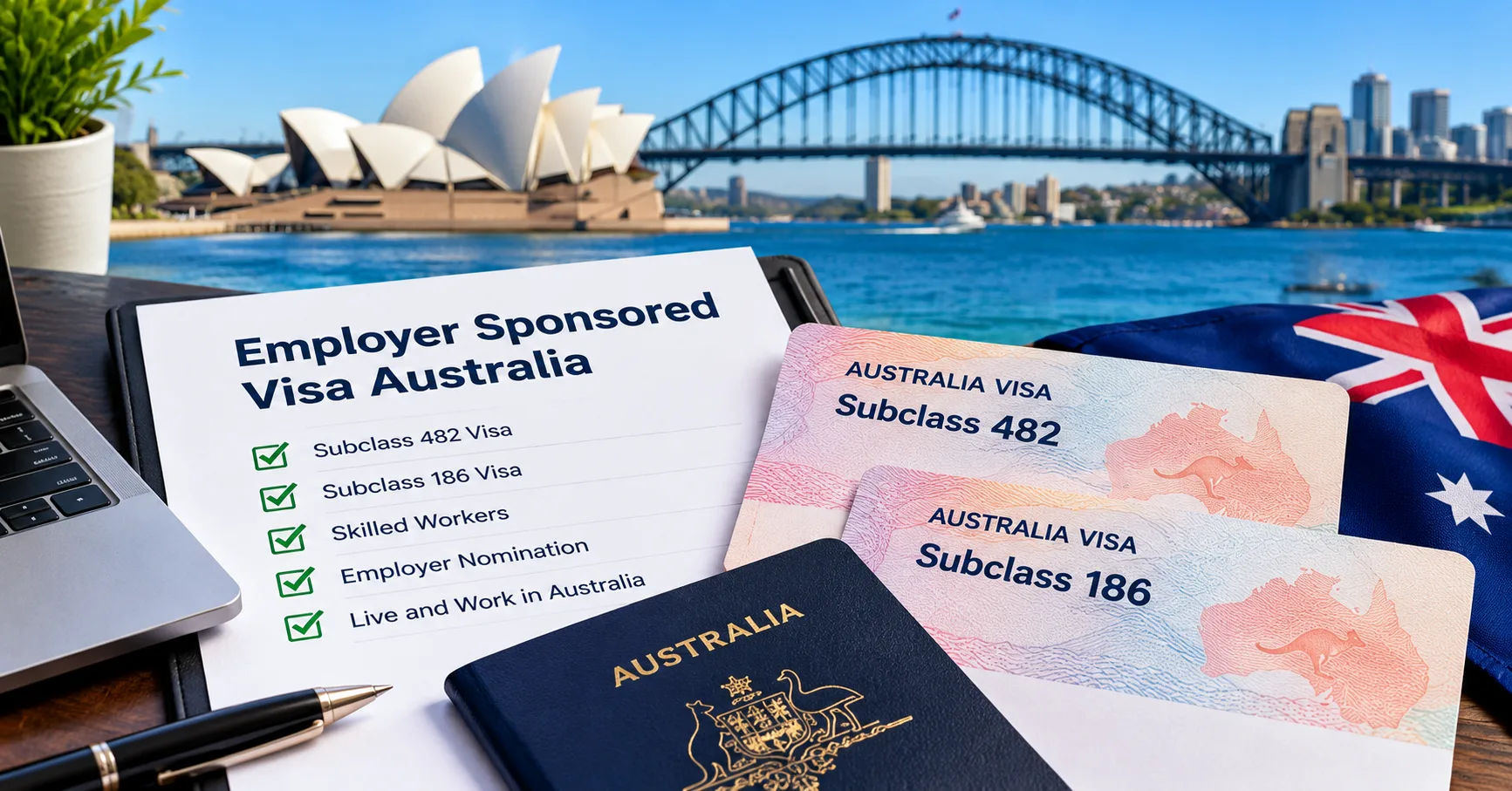 The answer is generally yes. A person granted a subclass 186 visa can usually enrol in Medicare, Australia's publicly funded healthcare system, because this visa provides permanent residency. Medicare helps eligible residents access a range of medical services, including visits to participating doctors, treatment in public hospitals, and certain medical tests and procedures.
However, understanding eligibility is only the beginning. New residents should also learn how to enrol, which services are covered, how family members qualify, and what expenses they may still need to pay. Knowing these details can make the transition to Australia easier and help individuals plan for their healthcare needs.
This comprehensive guide explains how Medicare works for permanent residents, what benefits are available, how to apply for a Medicare card, and what to consider before relying on the system for everyday medical care.
What Is Medicare in Australia?
Medicare is Australia's publicly funded healthcare system. It helps eligible people pay for a range of essential medical services and provides access to treatment in public hospitals under the applicable arrangements.
The system is designed to make healthcare more affordable and accessible. Rather than requiring every patient to pay the full cost of every eligible medical service, Medicare pays benefits for specified services according to government rules and fee schedules.
Medicare is administered by Services Australia, which manages enrolments, Medicare cards, claims, and benefit payments.
Who Can Access Medicare?
Medicare is available to Australian citizens, eligible permanent residents, and certain other people who meet specific eligibility requirements. Some applicants may also qualify under special rules, including arrangements for people from certain countries.
Eligibility depends on the person's circumstances and the relevant Australian legislation and administrative requirements.
For most people granted an eligible permanent visa, Medicare enrolment is an important step after arriving in Australia or receiving their visa while already in the country.
Why Medicare Matters for New Residents
Healthcare costs can become a significant concern when moving to another country. Doctor appointments, diagnostic tests, hospital treatment, and ongoing medical care can be expensive without appropriate coverage.
Medicare can reduce these costs for eligible services and help permanent residents access Australia's healthcare system. It also gives individuals a clearer understanding of where to seek treatment and how to claim eligible benefits.
Nevertheless, Medicare is not a substitute for every form of health insurance. Some services, medicines, and private healthcare expenses may not be fully covered.
Can Subclass 186 Visa Holders Access Medicare?
Yes. People granted a subclass 186 visa can generally enrol in Medicare because the Employer Nomination Scheme visa is a permanent visa that allows skilled workers to live and work in Australia indefinitely. The Department of Home Affairs specifically lists enrolment in Medicare as one of the benefits available to eligible holders.
This entitlement is an important advantage for workers moving to Australia through employer sponsorship. It means that, once eligible and enrolled, they can access Medicare benefits under the same general framework that applies to other eligible Australian residents.
Does Medicare Start Automatically?
No. Receiving permanent residency does not mean that a Medicare card will automatically arrive in the mail.
You generally need to submit an enrolment application to Services Australia. You must also meet the relevant residency and documentation requirements.
Once enrolled, you can use your Medicare details when visiting participating healthcare providers and making eligible claims.
Do You Need to Work for Your Sponsoring Employer?
Medicare eligibility is based primarily on your status as an eligible resident, rather than simply on your employment with a sponsoring business.
A subclass 186 visa provides permanent residency, so Medicare access is not generally dependent on remaining with the employer that nominated you. However, you should continue to comply with any applicable visa obligations and obtain migration advice if you have concerns about your employment circumstances.
The key distinction is that your permanent residency status establishes the usual basis for Medicare eligibility, while your employment arrangements are a separate matter.
What Healthcare Services Does Medicare Cover?
Medicare helps cover a range of essential medical services. The amount covered depends on the type of service, the provider, and the applicable Medicare benefit.
Not every medical expense is covered in full, so understanding the main categories can help you budget appropriately.
Visits to General Practitioners
General practitioners, commonly called GPs, are often the first point of contact for everyday healthcare in Australia.
Medicare provides benefits for eligible GP consultations. Some practices offer bulk billing, which means they accept the Medicare benefit as full payment for the covered service. When a clinic bulk bills you, there is generally no out-of-pocket charge for that consultation.
Other practices charge a fee higher than the Medicare benefit. In that situation, you may need to pay the difference yourself.
Before booking an appointment, ask the clinic whether it bulk bills and whether any additional charges apply.
Specialist Consultations
You may need to see a specialist for a particular medical condition or further investigation.
Medicare can provide benefits for eligible specialist services, often when you have an appropriate referral from a GP or another authorised practitioner. However, specialists can charge fees above the Medicare benefit.
For example, if a specialist charges $200 and the applicable Medicare benefit is lower, you may have to pay the difference.
The precise amount depends on the service and the applicable fee schedule. Ask about costs before your appointment whenever possible.
Treatment in Public Hospitals
Eligible Medicare patients can receive medically necessary treatment as public patients in public hospitals under Australia's public healthcare arrangements.
This can include treatment for serious illnesses, injuries, and other conditions requiring hospital care. Public hospital services are an important part of Australia's healthcare system.
However, Medicare does not mean that every hospital-related expense is automatically covered. Private patient services, elective procedures, ambulance transport, and certain other expenses may involve additional charges or separate rules.
Medical Tests and Diagnostic Services
Medicare benefits are available for many eligible diagnostic services, including certain pathology tests, blood tests, X-rays, and other imaging procedures.
The service must satisfy the relevant Medicare requirements. Not every test is eligible, and some services require a referral or must meet specific clinical criteria.
If a doctor recommends a test, ask the provider whether it is Medicare-eligible and whether you will face an out-of-pocket cost.
Mental Health Services
Medicare may cover eligible mental health services delivered by registered or appropriately qualified healthcare professionals.
Depending on your circumstances, a GP may help you access a suitable mental health treatment pathway. The number and type of subsidised sessions depend on current eligibility rules and the relevant service arrangements.
Mental healthcare costs vary, so it is sensible to discuss fees and available rebates with the provider before commencing treatment.
How to Enrol in Medicare After Receiving Your Visa
Enrolling in Medicare is a practical step for new permanent residents. Services Australia allows eligible permanent residents to apply online through myGov or by submitting a Medicare enrolment form.
Step 1: Confirm Your Residency Status
First, make sure your permanent visa has been granted and that you meet the requirements for Medicare enrolment.
If you received a subclass 186 visa, you will generally qualify on the basis of your permanent residency, provided you also satisfy the relevant enrolment requirements.
If you are outside Australia, remember that you generally need to be in Australia to enrol. If Services Australia processes an application while you are overseas, you may need to reapply when you return to live in Australia.
Step 2: Prepare Your Documents
You will generally need documents that establish your identity and permanent residency.
These may include:
-
A current passport or ImmiCard.
-
Evidence of your permanent visa status through the Department of Home Affairs.
-
Relevant details for each family member you want to enrol.
Services Australia may request additional information depending on your circumstances. Its official guidance explains the accepted documents and how to provide them.
Make sure the information on your application matches your identity and immigration records. Differences in names, dates of birth, or other details can cause delays.
Step 3: Apply Through myGov
If you have a myGov account, you can sign in and follow the Medicare enrolment process.
You can generally apply as an individual or enrol eligible family members together. The online process also allows you to track the progress of your application.
If you do not have a myGov account, you can create one and follow the instructions for linking or accessing Medicare services.
Step 4: Alternatively, Submit an Enrolment Form
If online enrolment is unsuitable, you can use the Medicare enrolment form and submit it according to the instructions provided by Services Australia.
Check the current form and submission requirements before sending your application. Keep copies of the documents you provide so you can refer to them if Services Australia requests further information.
Step 5: Check Your Enrolment and Medicare Card
After applying, monitor your application and respond promptly if more information is requested.
Once enrolled, check that your personal details are correct. Keep your Medicare card or digital Medicare details accessible when arranging medical appointments or claiming eligible benefits.
For official guidance, visit the Services Australia Medicare enrolment page.
Can Your Family Members Also Access Medicare?
In many cases, yes. Eligible family members who receive permanent residency through a subclass 186 visa application can generally enrol in Medicare if they meet the relevant requirements.
This can be particularly valuable for families relocating together because healthcare access is an important part of establishing a stable life in Australia.
Medicare for Your Spouse or Partner
If your spouse or partner is included in your permanent visa arrangements and is eligible as an Australian permanent resident, they can generally apply for Medicare enrolment.
Each person must provide the required information and identity documents. Do not assume that your partner is enrolled automatically just because you have received your Medicare card.
Medicare for Children
Eligible dependent children can also generally enrol in Medicare. When applying as a family, you may need to provide identity details and documents for children under 15.
Services Australia has additional procedures for including family members aged 15 or older. For online family enrolment, these individuals may need to complete their part of the application through their own myGov accounts.
Parents should arrange enrolment promptly after arriving in Australia so they can understand their children's healthcare options, including GP visits, vaccinations, and eligible medical treatment.
What Does Medicare Not Cover?
Although Medicare provides valuable benefits, it does not cover every healthcare expense. People granted permanent residency should understand these limitations before deciding whether they need additional insurance.
Most Dental Treatment
Routine dental treatment for adults is generally not covered by Medicare. This means you may need to pay privately for check-ups, fillings, crowns, and other common dental procedures.
Some eligible children and people who qualify under specific government programs may receive assistance, but eligibility conditions apply.
Most Optical Expenses
Medicare does not generally pay for ordinary prescription glasses or contact lenses. Some eligible eye examinations and medically necessary services may receive benefits, but purchasing eyewear usually involves separate costs.
Ambulance Services
Ambulance coverage varies between Australian states and territories. Medicare does not generally cover ambulance transport, so you may face significant expenses depending on where you live and the circumstances of your treatment.
Check the rules that apply in your state or territory, and consider whether separate ambulance cover is appropriate.
Private Hospital Treatment
Medicare does not generally cover all expenses associated with private hospital treatment. If you choose to be treated as a private patient, you may face costs for hospital accommodation, specialists, procedures, and other services.
Private health insurance may help with eligible expenses, depending on your policy, exclusions, waiting periods, and annual limits.
Should Subclass 186 Visa Holders Purchase Private Health Insurance?
Private health insurance is not generally a requirement simply because you hold a subclass 186 visa and have Medicare eligibility. However, some residents choose to purchase it to access additional services or help manage costs.
The right decision depends on your medical needs, finances, family circumstances, and preferences.
Benefits of Private Health Insurance
Depending on the policy, private health insurance may help cover certain services not covered by Medicare, such as general dental treatment, optical services, and physiotherapy.
Hospital insurance may also provide benefits for eligible treatment as a private patient. Nevertheless, policies differ considerably, and some services have waiting periods, exclusions, or limits.
Compare policies carefully rather than assuming that every private health plan covers all medical expenses.
When You May Not Need It
If you are comfortable using the public healthcare system and mainly need eligible GP consultations and public hospital treatment, Medicare may meet many of your basic healthcare needs.
However, you should consider possible out-of-pocket costs and whether additional cover would be useful for your circumstances.
Conclusion
Yes, people granted a subclass 186 visa can generally access Medicare because the Employer Nomination Scheme provides Australian permanent residency. Once enrolled, eligible residents can receive benefits for a wide range of healthcare services, including qualifying GP consultations, specialist appointments, diagnostic tests, and treatment as public patients in public hospitals.
The most important step is to enrol with Services Australia rather than assuming that Medicare access begins automatically when your visa is granted. Prepare your passport or ImmiCard, confirm your visa details, and apply through myGov or the appropriate Medicare enrolment form.
Eligible spouses, partners, and dependent children can generally enrol as well, provided they meet the relevant requirements. Families should organise their enrolments early and keep their personal details up to date.
It is equally important to understand Medicare's limitations. Dental treatment, glasses, ambulance services, and private healthcare expenses may not be fully covered. Private health insurance can provide additional benefits, but whether it is worthwhile depends on your individual needs and budget.
Overall, Medicare is a significant benefit of permanent residency in Australia. By understanding the enrolment process, checking which services are covered, and planning for expenses that fall outside the system, new residents can make informed healthcare decisions and settle into Australian life with greater confidence.